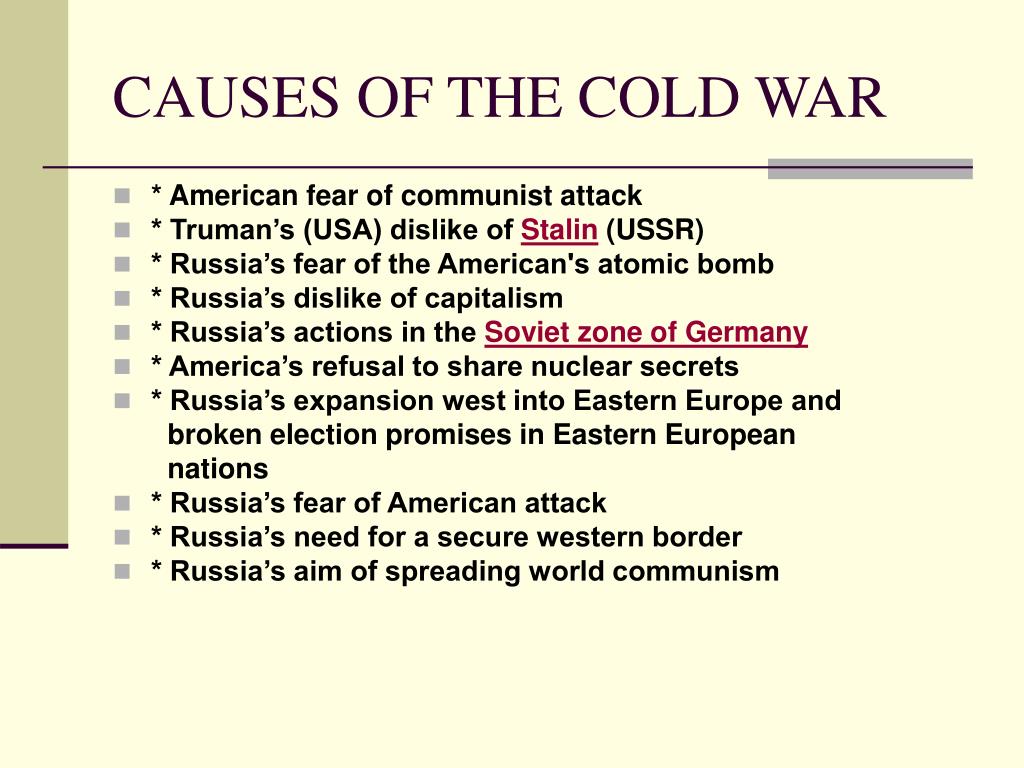
The Cold War was a period of political and military tension between the Western powers, led by the United States, and the Eastern powers, led by the Soviet Union. This conflict lasted from the end of World War II in 1945 until the collapse of the Soviet Union in 1991. There were many causes of the Cold War, including ideological differences, political tensions, and military competition. In this article, we will explore the key factors that contributed to the Cold War.
1. Ideological Differences
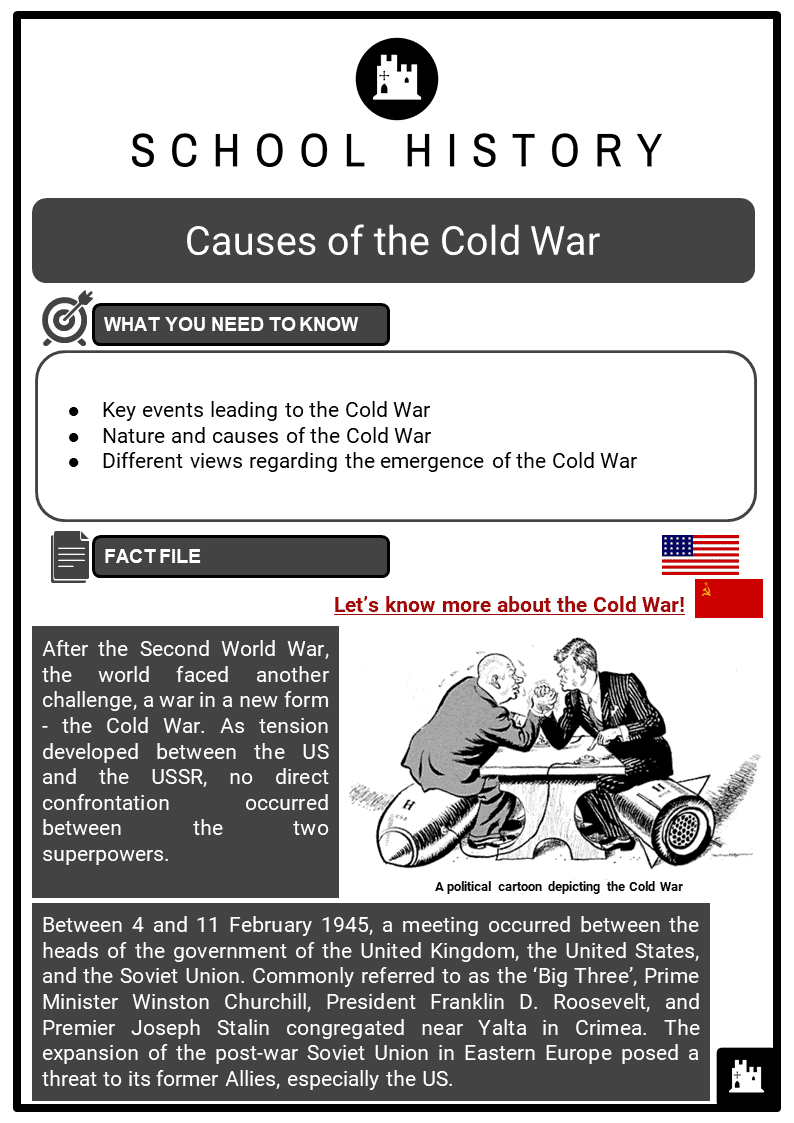
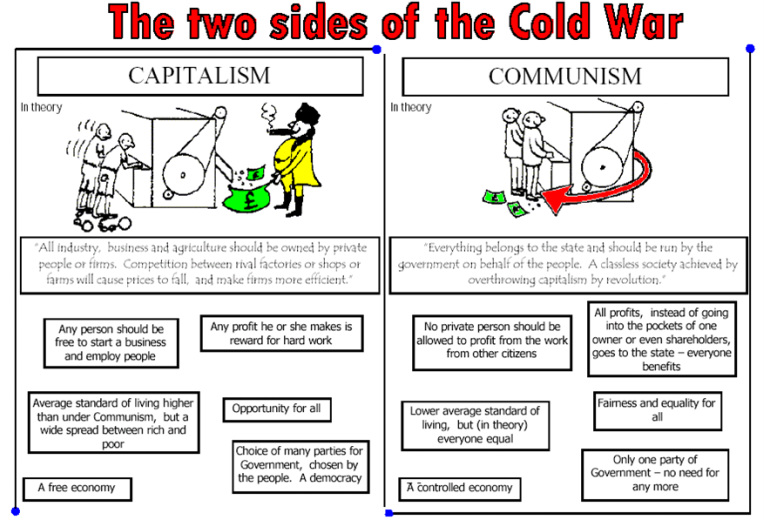
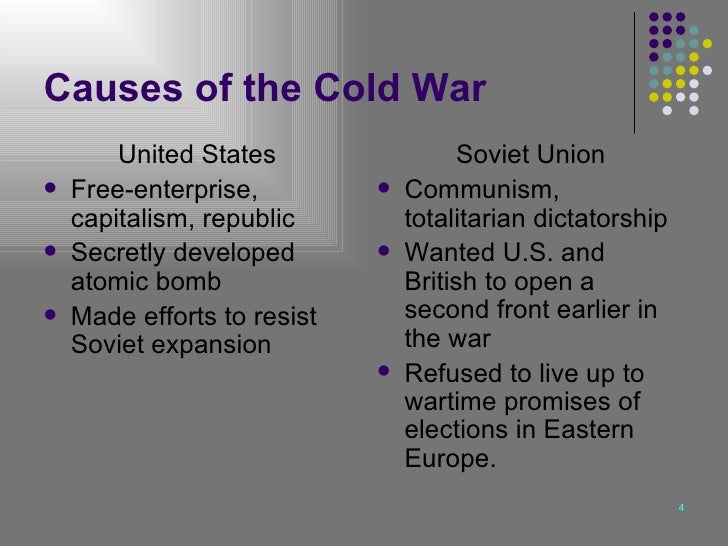
The ideological differences between the capitalist West and the communist East were one of the main causes of the Cold War. The United States and its allies believed in democracy, free markets, and individual freedoms, while the Soviet Union and its allies supported communism, state ownership of property, and collective decision-making. These fundamental differences between the two sides created a deep distrust that fueled the conflict.
2. Political Tensions

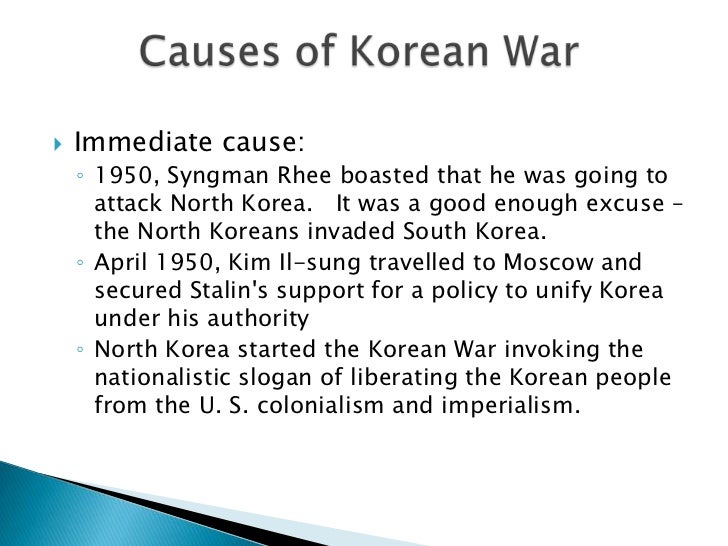
The political tensions between the United States and the Soviet Union were also a major factor in the Cold War. Both sides sought to expand their spheres of influence and to promote their political systems around the world. The United States supported anti-communist movements and governments around the world, while the Soviet Union supported communist movements and governments. This led to a series of proxy wars and conflicts in places like Korea, Vietnam, and Afghanistan.
3. Military Competition

The military competition between the United States and the Soviet Union was another key factor in the Cold War. Both sides built up massive arsenals of nuclear weapons and engaged in a dangerous arms race that threatened the survival of the planet. The United States and its allies formed NATO, a military alliance designed to counter the Soviet threat, while the Soviet Union formed the Warsaw Pact, a military alliance designed to counter the Western threat.
4. Historical Context
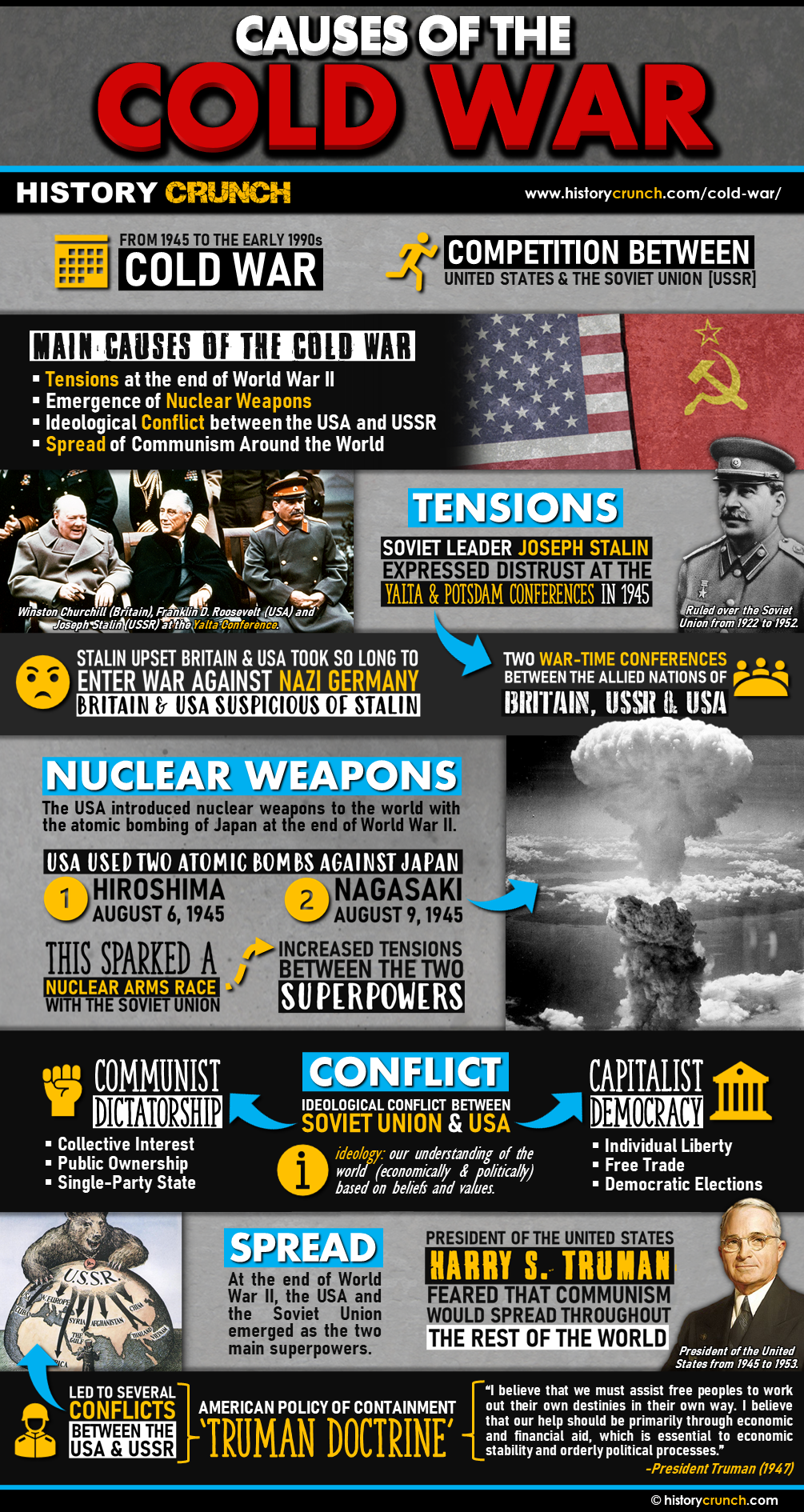
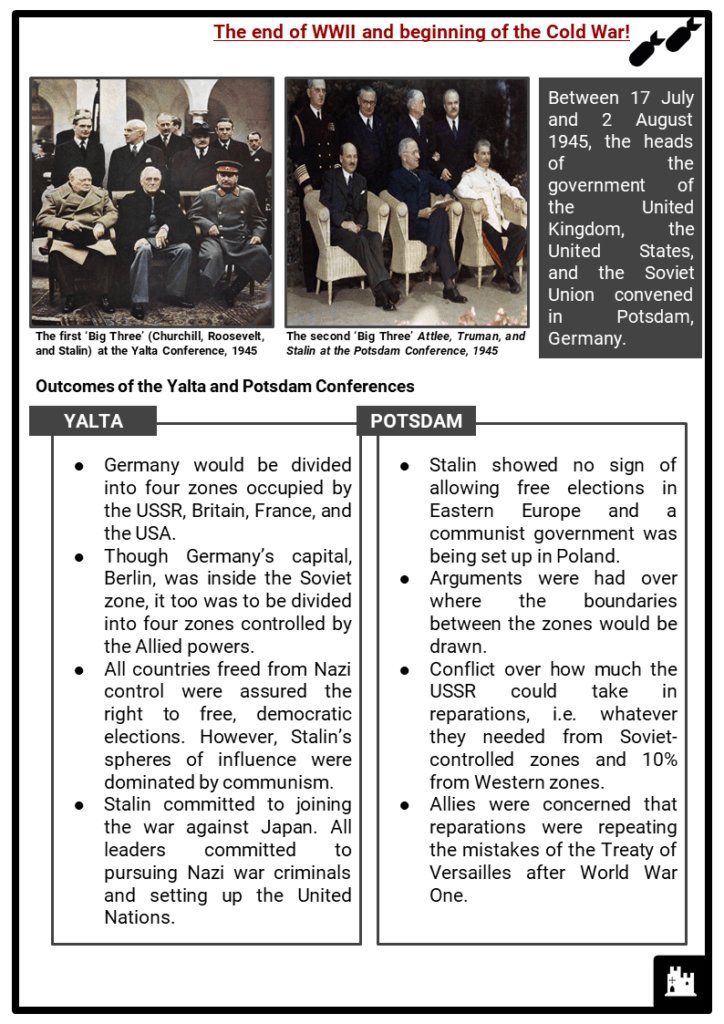
The historical context of the Cold War is also important to understand. The conflict emerged out of the ashes of World War II, which had devastated much of Europe and Asia. The United States emerged as a global superpower, while the Soviet Union sought to rebuild and expand its influence. The legacy of World War II and the tensions it created played a major role in the development of the Cold War.
5. Personalities

The personalities of key leaders on both sides also played a role in the Cold War. In the United States, President Harry Truman and his successor, Dwight Eisenhower, were committed to containing the spread of communism. In the Soviet Union, leaders like Joseph Stalin and Nikita Khrushchev were determined to expand their influence and promote the communist cause. Personalities and individual decisions shaped the course of the conflict.
6. Economic Factors
Economic factors also played a part in the Cold War. The United States and its allies were committed to free markets and capitalism, while the Soviet Union and its allies promoted state ownership of property and central planning. The economic systems of the two sides were fundamentally incompatible, and this created a deep divide that contributed to the conflict.
7. Fear and Mistrust
Fear and mistrust were pervasive throughout the Cold War. Both sides believed that the other was a threat to their way of life and to the survival of their nation. This fear and mistrust fueled the arms race, the proxy wars, and the propaganda campaigns that characterized the conflict. It also made it difficult to resolve conflicts and find common ground.
8. Propaganda

Propaganda was a key tool in the Cold War. Both sides used it to promote their political systems and to demonize the other side. The United States and its allies used propaganda to portray the Soviet Union as an evil empire that threatened the freedom and prosperity of the world. The Soviet Union and its allies used propaganda to promote communism as a superior system that would bring peace and prosperity to the world.
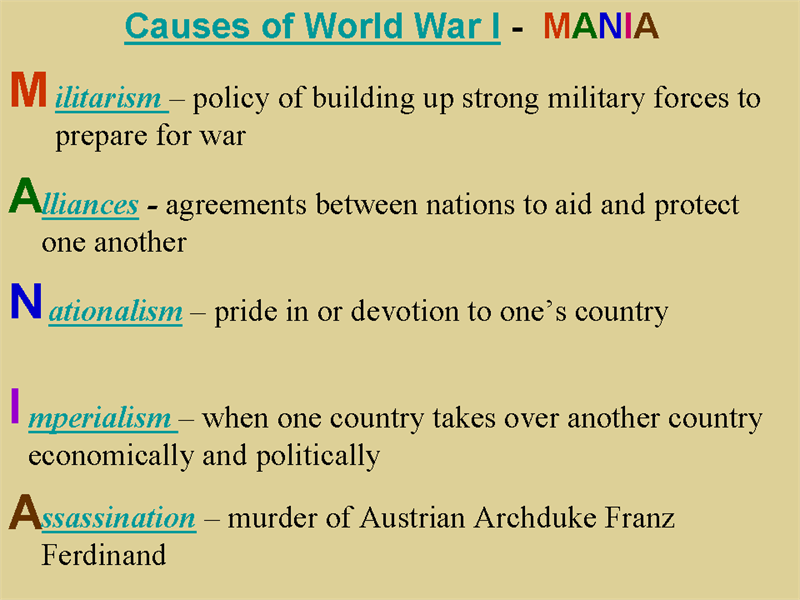
9. Nationalism
Nationalism was also a factor in the Cold War. Both sides were deeply committed to their national identities and saw themselves as superior to the other side. This nationalism made it difficult to find common ground and to resolve conflicts peacefully. It also fueled the arms race and the military competition between the two sides.
10. Geography

The geography of the Cold War also played a role. The Iron Curtain, a term coined by Winston Churchill, divided Europe into two spheres of influence. The United States and its allies controlled Western Europe, while the Soviet Union and its allies controlled Eastern Europe. This division created a deep divide that contributed to the conflict.
11. Balance of Power
The balance of power between the United States and the Soviet Union was also a factor in the Cold War. Both sides sought to maintain a balance of power that would prevent the other side from gaining an advantage. This led to a series of arms control agreements and treaties that attempted to limit the size and scope of the arms race.
12. Decolonization
The process of decolonization also played a role in the Cold War. As former colonies gained their independence, they had to choose which side to align with. The United States and the Soviet Union both sought to win the support of these new nations, often through aid and military assistance. This competition for influence further fueled the conflict.
13. Nuclear Weapons
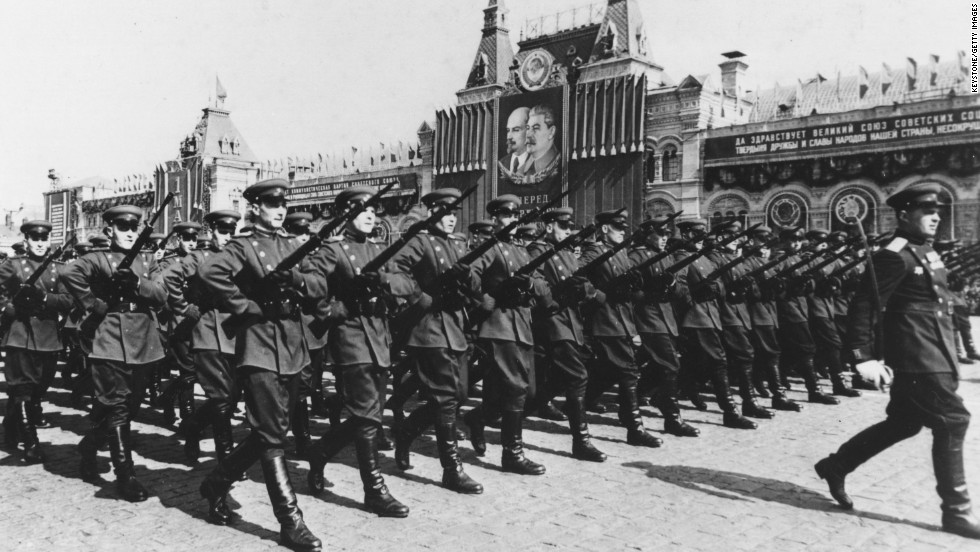
The development of nuclear weapons was a game-changer in the Cold War. Both sides built up massive arsenals of nuclear weapons that could destroy the planet many times over. The threat of nuclear war hung over the conflict, and both sides sought to deter the other through the doctrine of mutually assured destruction.
14. Arms Control

Arms control was an important aspect of the Cold War. Both sides realized that the arms race was a dangerous and expensive game that could lead to disaster. They sought to limit the size and scope of the arms race through a series of arms control agreements and treaties. These agreements helped to reduce tensions and prevent accidental war.
15. Intelligence Operations

Intelligence operations were a key tool in the Cold War. Both sides engaged in espionage and intelligence gathering to gain an advantage over the other. The CIA and the KGB were two of the most important intelligence agencies during the Cold War, and their activities shaped the course of the conflict.
16. Space Race
The space race was a competition between the United States and the Soviet Union to explore space and to develop new technologies. This competition began in the late 1950s and continued throughout the Cold War. The space race was important because it demonstrated the technological prowess of both sides and helped to fuel the arms race.
17. Proxy Wars
Proxy wars were a common feature of the Cold War. Both sides sought to gain influence in other parts of the world by supporting local groups and movements. These local conflicts often turned into full-scale wars, with the United States and the Soviet Union supporting opposing sides. Examples of proxy wars include the Korean War, the Vietnam War, and the Soviet-Afghan War.
18. Human Rights

Human rights were also a factor in the Cold War. The United States and its allies were committed to promoting democracy and individual freedoms around the world, while the Soviet Union and its allies supported authoritarian regimes and suppressed dissent. The struggle for human rights became a key battleground in the Cold War.
19. Collapse of the Soviet Union
The collapse of the Soviet Union in 1991 marked the end of the Cold War. The Soviet Union was unable to compete with the United States and its allies economically, politically, and militarily. The collapse of the Soviet Union was a major victory for the United States and its allies and marked the end of a long and dangerous conflict.
20. Conclusion
The Cold War was a complex and multifaceted conflict that lasted for more than four decades. The causes of the Cold War were many, including ideological differences, political tensions, and military competition. The legacy of the Cold War still shapes the world today, and it is important to understand the causes and consequences of this conflict.