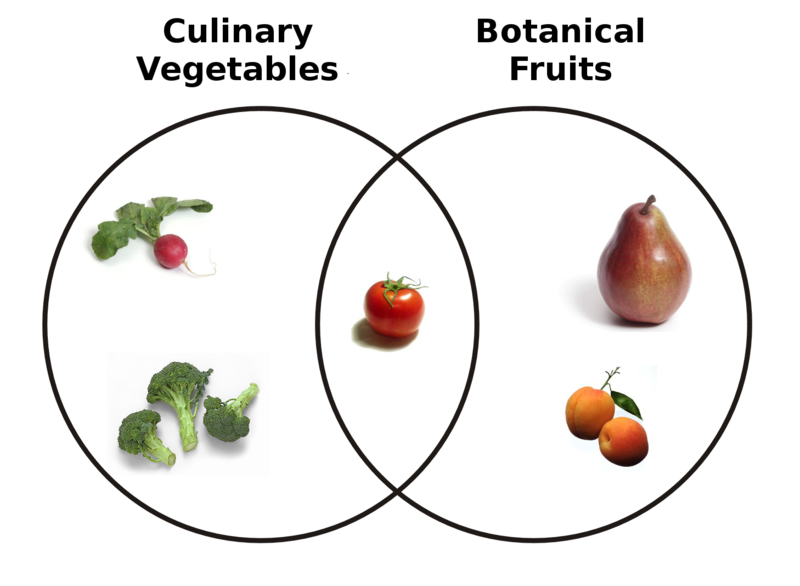
There has always been confusion about what constitutes a fruit and what constitutes a vegetable. While most of us know that vegetables are plants that are cultivated for their edible parts, we often think of fruits as sweet, juicy, and colorful. In reality, however, fruits and vegetables are both plant-based foods, but with different characteristics. Here we will explore the characteristics of fruits vs vegetables.
What are fruits?

Fruits are the reproductive parts of flowering plants. They are usually sweet and juicy and have seeds inside. Fruits are often eaten raw as a snack or used in desserts. Examples of fruits include apples, oranges, bananas, grapes, and strawberries.
One of the key characteristics of fruits is that they come in a wide range of colors and flavors. They are also high in vitamins, minerals, and antioxidants. Fruits are also a great source of dietary fiber, which helps to promote good digestive health.
What are vegetables?

Vegetables, on the other hand, are the edible parts of plants that are not fruits. They can be eaten raw, cooked, or used in a variety of dishes. Vegetables come in a range of colors, flavors, and textures, and they are packed with essential nutrients like vitamins, minerals, and fiber. Examples of vegetables include broccoli, carrots, potatoes, spinach, and tomatoes.
One of the key characteristics of vegetables is that they are low in calories and fat but high in nutrients. They are also a great source of antioxidants, which help to protect the body against disease.
What are the differences between fruits and vegetables?

The main difference between fruits and vegetables is that fruits are the reproductive parts of plants, while vegetables are the edible parts that are not fruits. Another key difference is that fruits are usually sweet and juicy, while vegetables are often savory and less sweet.
Another notable difference between fruits and vegetables is their nutritional content. Fruits are usually higher in sugar and calories than vegetables, but they are also higher in vitamins, minerals, and antioxidants. Vegetables, on the other hand, are usually lower in calories and sugar but higher in fiber and other nutrients.
Conclusion
While fruits and vegetables both come from plants, they have different characteristics that set them apart. Fruits are usually sweet and juicy, while vegetables are often savory and less sweet. Fruits are higher in sugar and calories, but they are also higher in vitamins, minerals, and antioxidants. Vegetables are lower in calories and sugar, but they are higher in fiber and other nutrients.