
A hernia is a medical condition that occurs when an organ or fatty tissue protrudes through a weak spot in the surrounding muscle or connective tissue. It can happen in any part of the body, but most commonly occurs in the abdominal area. Hernias can be painful and cause discomfort, and if left untreated, they can lead to serious complications. It is essential to check yourself regularly for hernia to detect it early and get timely treatment. In this article, we will guide you on how to check yourself for hernia.
What Are The Symptoms Of Hernia?

Hernia symptoms vary depending on the type of hernia you have. However, some common symptoms include:
- A bulge or lump that is visible and palpable
- Pain or discomfort in the affected area, especially when lifting heavy objects
- A feeling of heaviness or pressure in the abdomen or groin area
- Nausea or vomiting
- Burning or aching sensation at the site of the bulge or lump
If you experience any of these symptoms, it is essential to consult a doctor for an accurate diagnosis and treatment plan.
How To Check Yourself For Hernia?

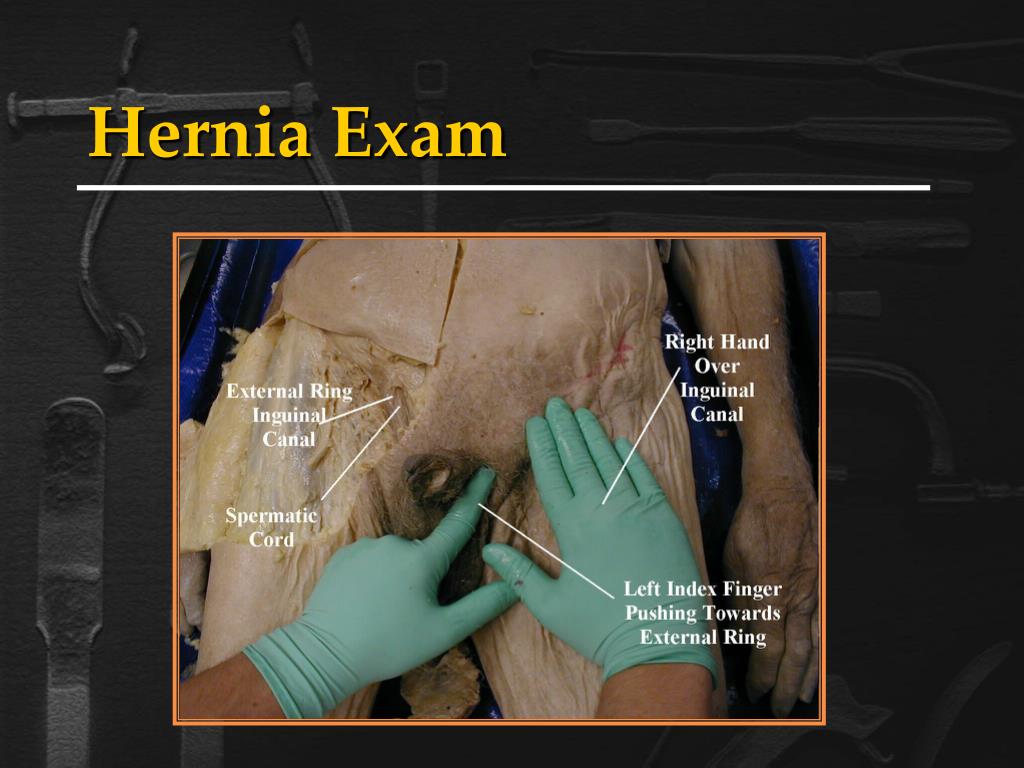
Checking yourself for hernia is easy and can be done at home. Here are the steps:
- Find a quiet and private place to check yourself.
- Stand in front of a mirror and remove your clothing from the waist down.
- Examine the area where you suspect a hernia. This can be the groin, belly button, or upper thigh area.
- Look for any unusual bulges or lumps in the area. If you have a hernia, you may notice a bulge that is more prominent when you cough or strain.
- Feel the area with your fingers to check for any lumps or bulges that you may not be able to see. Use a gentle touch and press inward to feel for any protrusions.
- If you notice any unusual bulges or lumps, make an appointment with your doctor for further evaluation.
How Is Hernia Treated?

The treatment for hernia depends on the severity of your condition. In some cases, your doctor may recommend watchful waiting, where you monitor your condition and seek treatment if it worsens. However, in most cases, surgery is required to repair the hernia. Surgery involves pushing the protruding organ or tissue back into place and strengthening the surrounding muscle or connective tissue.
Preventing Hernia
While hernias cannot always be avoided, there are some steps you can take to reduce your risk:
- Avoid lifting heavy objects
- Maintain a healthy weight
- Avoid smoking
- Eat a healthy diet rich in fiber to prevent constipation and straining during bowel movements
- Avoid activities that strain the abdominal muscles, such as coughing or sneezing excessively
Conclusion
Checking yourself regularly for hernia is essential to detect the condition early and get timely treatment. If you notice any unusual bulges or lumps, make an appointment with your doctor for further evaluation. Remember to take steps to prevent hernia by maintaining a healthy lifestyle, avoiding activities that strain the abdominal muscles, and seeking prompt treatment for any medical conditions that may increase your risk of hernia.