Cheese is a beloved food all around the world. It comes in many different varieties, each with its own unique flavor and texture. But did you know that cheese has many different names in other languages? In this article, we will explore the various ways that cheese is called in different parts of the world.
Fromage (French)

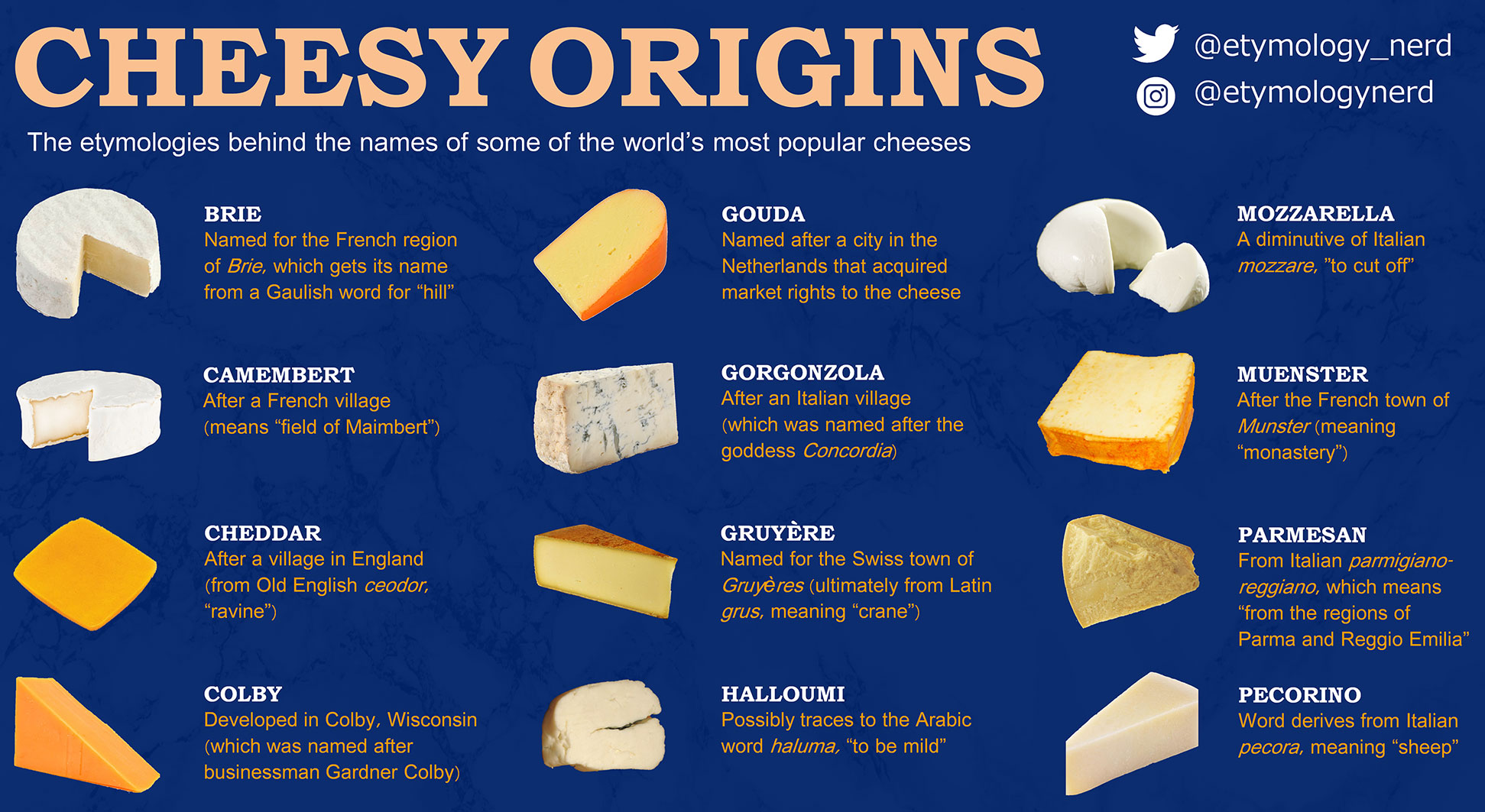
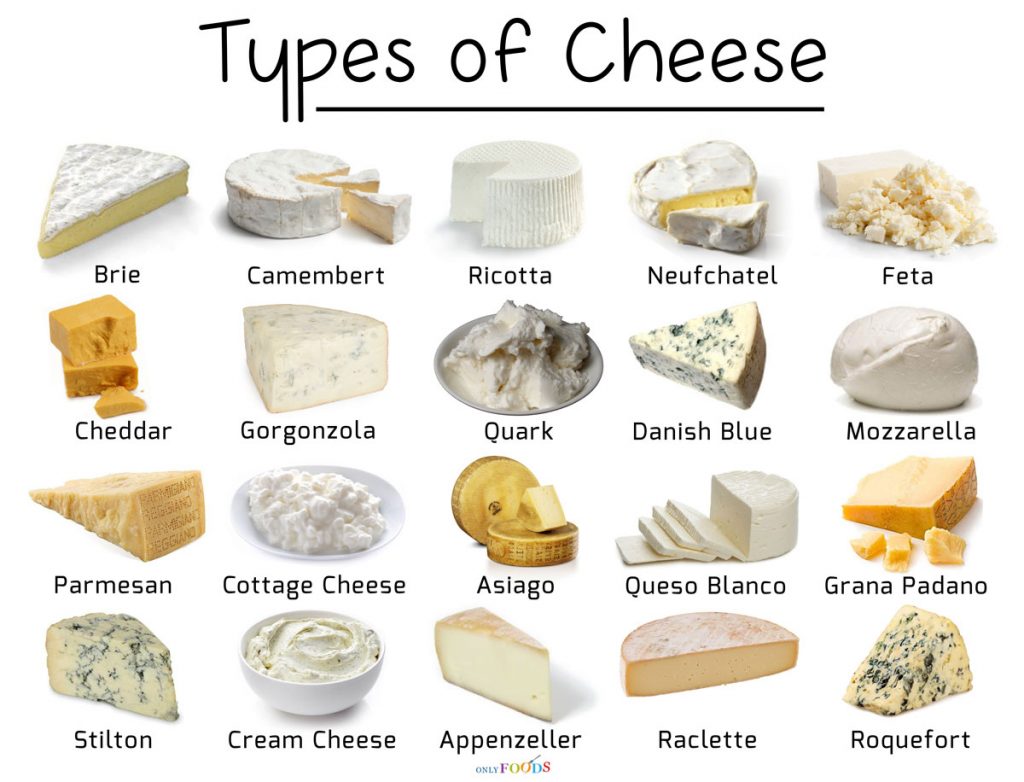
In France, cheese is known as fromage. French cheeses are renowned for their variety and quality, with over 400 different types of cheese produced in the country. Some of the most popular French cheeses include Brie, Camembert, and Roquefort.
Queso (Spanish)

Spanish-speakers refer to cheese as queso. Spain is home to many delicious cheeses, including Manchego and Cabrales. In Latin America, cheese is an important ingredient in many traditional dishes, such as quesadillas and empanadas.
Käse (German)
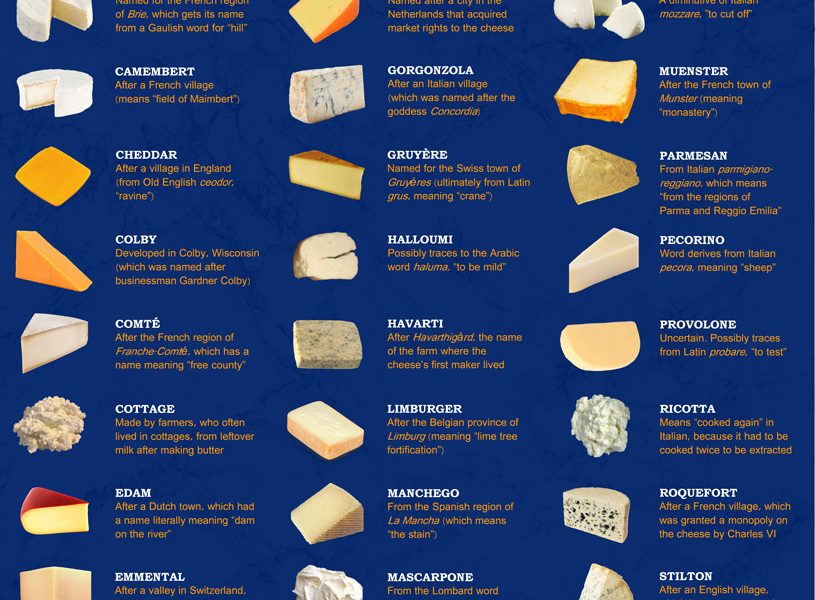
German speakers use the word käse to describe cheese. Germany produces many types of cheese, including Limburger and Harzer. In German cuisine, cheese is often served as a topping for bread, or melted in dishes like käsespätzle (a type of noodle dish).
Ost (Swedish)
In Sweden, cheese is known as ost. Swedish cheeses include Västerbotten and Herrgård. Cheese is a popular snack in Sweden and is often served on crispbread or with fruit.
Sir (Serbian)

Serbian speakers use the word sir to describe cheese. Serbia produces several types of cheese, including kajmak and pule. Cheese is an important ingredient in Serbian cuisine and is often served with meat dishes.
Formaggio (Italian)

Italians refer to cheese as formaggio. Italy is known for its wide variety of cheeses, including Parmigiano-Reggiano and Mozzarella. In Italian cuisine, cheese is often used in pasta dishes, such as lasagna and spaghetti carbonara.
Keju (Indonesian)

Indonesian speakers use the word keju to describe cheese. Indonesia produces several types of cheese, including gouda and cheddar. Cheese is not a traditional ingredient in Indonesian cuisine, but it has become more popular in recent years.
Sýr (Czech)

In the Czech Republic, cheese is known as sýr. Czech cheeses include Olomoucké tvarůžky and Hermelín. Cheese is often served as a snack or appetizer in Czech cuisine.
Sir (Croatian)

Croatian speakers also use the word sir to describe cheese. Croatia produces several types of cheese, including Paški sir and Skripavac. Cheese is an important ingredient in Croatian cuisine, and is often served with traditional dishes like pasticada (a beef stew).
Caseus (Latin)
The Latin word for cheese is caseus. This is where the word "casein" (a protein found in milk) comes from. Cheese has been made for thousands of years, and was an important food in ancient Rome and Greece.
Ostur (Icelandic)

In Iceland, cheese is known as ostur. Icelandic cheeses include Skyr and Gammelostur. Cheese is often served as a topping for bread or crackers in Icelandic cuisine.
Fromáge (Portuguese)

Portuguese speakers use the word fromáge to describe cheese. Portugal produces several types of cheese, including Azeitão and Serpa. Cheese is often served as a dessert in Portuguese cuisine, paired with fruit or honey.
Cheese (English)

In English, we simply call it cheese. Cheese is a staple food in many parts of the world, and is used in a variety of dishes. From grilled cheese sandwiches to cheeseburgers, cheese is a versatile and delicious ingredient.
Conclusion
Cheese may have many different names, but no matter what language you speak, it is a beloved food all around the world. Whether you prefer French brie or Spanish manchego, cheese is a delicious and versatile ingredient that can be enjoyed in many different ways.