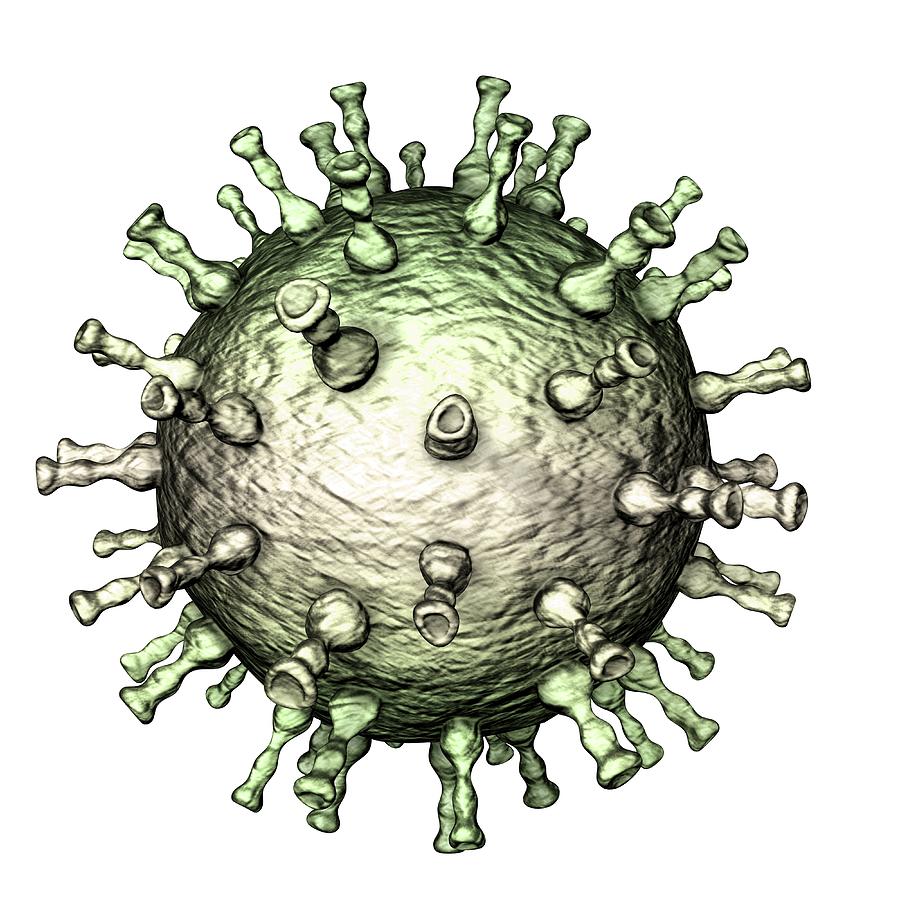
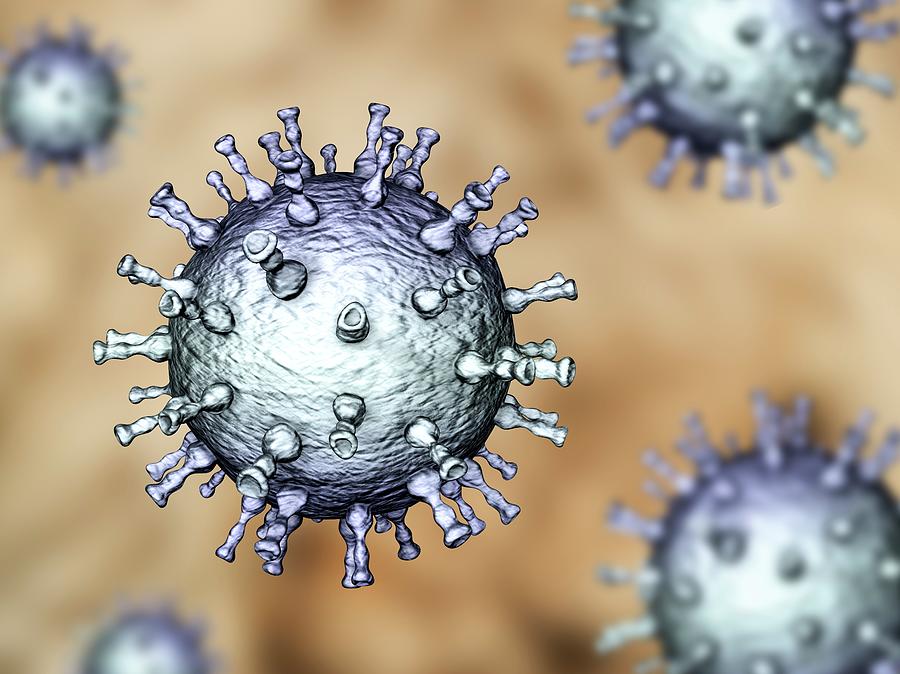
Chickenpox is a highly contagious disease caused by the chickenpox virus. It is a common disease that mainly affects children, but adults can also get infected. Chickenpox is characterized by an itchy rash and blisters all over the body. In this article, we will discuss the scientific name of the chickenpox virus and other important information related to the disease.
What is the Scientific Name of the Chickenpox Virus?
The scientific name of the chickenpox virus is Varicella zoster virus (VZV). It is a DNA virus that belongs to the family Herpesviridae, which also includes other human viruses such as herpes simplex virus, cytomegalovirus, and Epstein-Barr virus.
How is the Chickenpox Virus Transmitted?
The chickenpox virus is highly contagious and can be transmitted through direct contact with an infected person's skin lesions, saliva, or respiratory secretions. The virus can also be spread through the air when an infected person coughs or sneezes. It is most contagious from one to two days before the rash appears until all the blisters have crusted over.
What are the Symptoms of Chickenpox?
The symptoms of chickenpox usually appear within 10 to 21 days after exposure to the virus. The first symptoms include fever, headache, and loss of appetite. A few days later, a rash will appear on the body, face, and scalp. The rash begins as red bumps that turn into blisters filled with fluid. The blisters will eventually crust over and heal within one to two weeks.
How is Chickenpox Treated?
There is no specific treatment for chickenpox, but there are several ways to relieve the symptoms. Antihistamines can help relieve itching, and acetaminophen or ibuprofen can help reduce fever and pain. It is important to avoid scratching the blisters to prevent infection and scarring. In some cases, antiviral medication may be prescribed for people with severe or complicated chickenpox.
What are the Complications of Chickenpox?
Most people who get chickenpox recover without any complications. However, some people may develop serious complications such as pneumonia, encephalitis, or bacterial infections of the skin. Pregnant women who get chickenpox can also pass the virus to their unborn babies, which can cause birth defects.
How is Chickenpox Prevented?
The best way to prevent chickenpox is to get vaccinated. The chickenpox vaccine is a safe and effective way to protect against the disease. It is recommended for all children and adults who have not had chickenpox before. People who have had chickenpox before are usually immune to the disease and do not need the vaccine.
Conclusion
In conclusion, the scientific name of the chickenpox virus is Varicella zoster virus (VZV). It is a highly contagious disease that can be transmitted through direct contact or through the air. The symptoms of chickenpox include fever, headache, and a rash that turns into blisters. Although there is no specific treatment for chickenpox, there are ways to relieve the symptoms. The best way to prevent chickenpox is to get vaccinated.
Related video of Chicken Pox Virus Scientific Name