
The Code of Hammurabi Stele is a monument made of black basalt stone that stands over seven feet tall. It was created in 1754 BC by the Babylonian king Hammurabi and contains 282 laws that governed the ancient society. The stele was discovered in 1901 by French archaeologist Jean-Vincent Scheil in the ancient city of Susa, which is now located in modern-day Iran. Today, the stele is a priceless artifact that provides a glimpse into the legal and social structure of ancient Mesopotamia.
History of the Code of Hammurabi Stele

Hammurabi, the sixth king of Babylon, ruled over Mesopotamia from 1792 to 1750 BC. During his reign, he created a set of laws that were designed to regulate every aspect of Babylonian society. The Code of Hammurabi was engraved on the stele and displayed in public places throughout the empire, so that everyone could see and understand the laws.
The stele was likely created as a symbol of Hammurabi's power and authority. It would have been an imposing sight, standing in the center of a public square or temple, reminding the people of Babylon of their obligations and responsibilities as citizens.
The Content of the Code of Hammurabi Stele

The Code of Hammurabi contains 282 laws that cover a wide range of topics, from theft and assault to property rights and inheritance. The laws were written in cuneiform script, which was the writing system used in ancient Mesopotamia. The stele was divided into three sections, with the laws and punishments listed in each section.
The first section of the stele deals with criminal law, including theft, assault, and murder. Punishments for crimes ranged from fines to amputation of limbs, depending on the severity of the offense. The second section of the stele deals with civil law, including property rights and inheritance. The third section of the stele deals with family law, including marriage, divorce, and adultery.
Impact of the Code of Hammurabi Stele
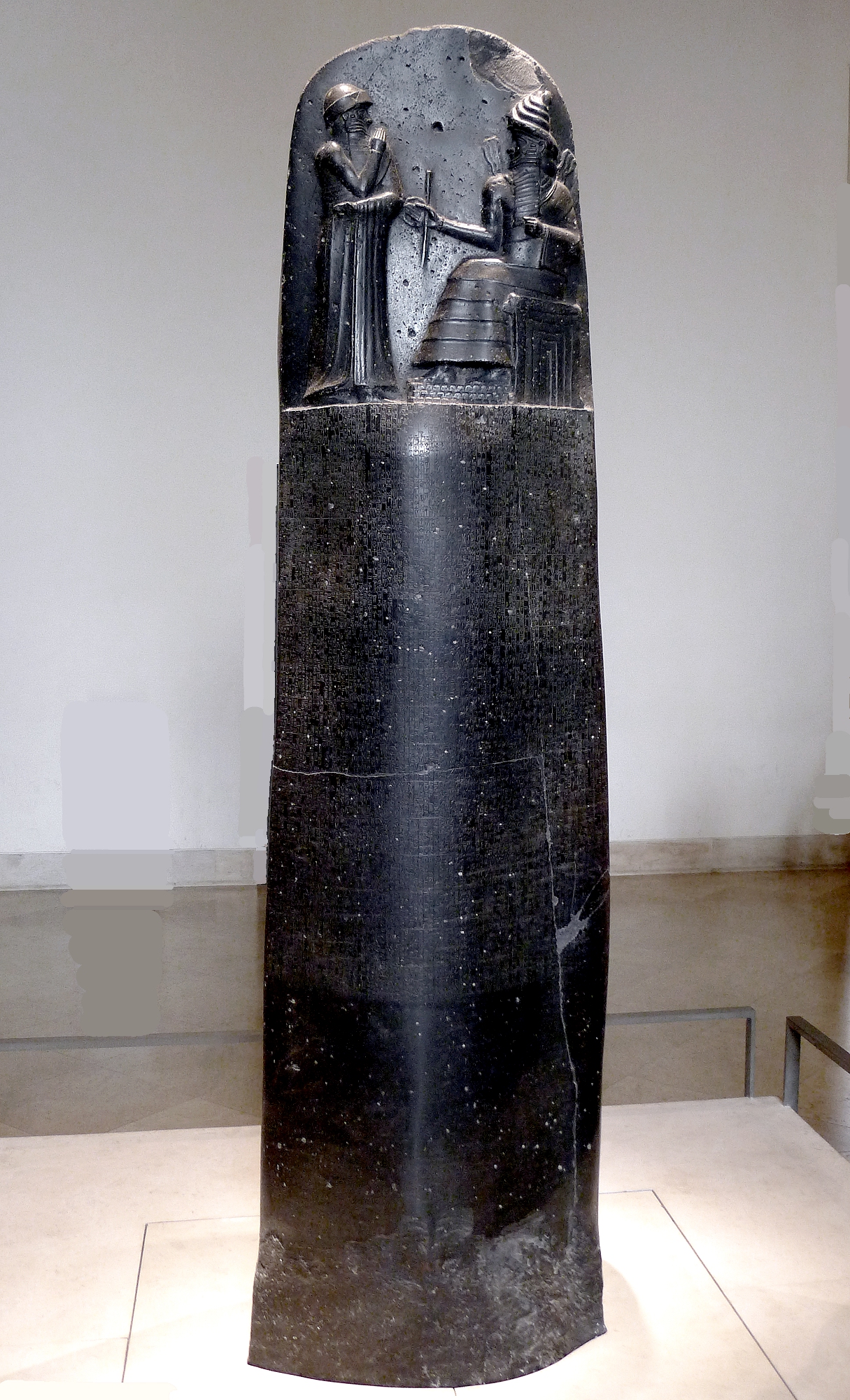
The Code of Hammurabi was a landmark achievement in the history of law. It was the first set of laws that were written down and displayed in public, making it accessible to all members of society. The laws were designed to be fair and just, and to protect the rights of all citizens, regardless of their social status.
The Code of Hammurabi also had a lasting impact on the legal systems of other civilizations. Many of the principles and concepts contained in the Code of Hammurabi, such as the presumption of innocence and the concept of "an eye for an eye," were adopted by later legal systems, including the Roman Empire and the modern legal system.
Conclusion
The Code of Hammurabi Stele is a remarkable artifact that provides a window into the legal and social structure of ancient Mesopotamia. It is a testament to the achievements of the Babylonian civilization and the enduring legacy of Hammurabi's vision for a just and fair society. Today, the stele is a valuable reminder of the importance of law and justice in human society, and a symbol of the enduring power of human creativity and ingenuity.