
Have you ever noticed that your skin sometimes looks dull and lifeless? This could be due to the accumulation of dead skin cells on the surface of your skin. Dead skin cells are a natural part of the skin's regeneration process, but when they build up, they can clog pores and make your skin appear dull and uneven. Fortunately, there are simple steps you can take to remove this dead layer of skin and reveal a brighter, more radiant complexion.
What is the Dead Layer of Skin?
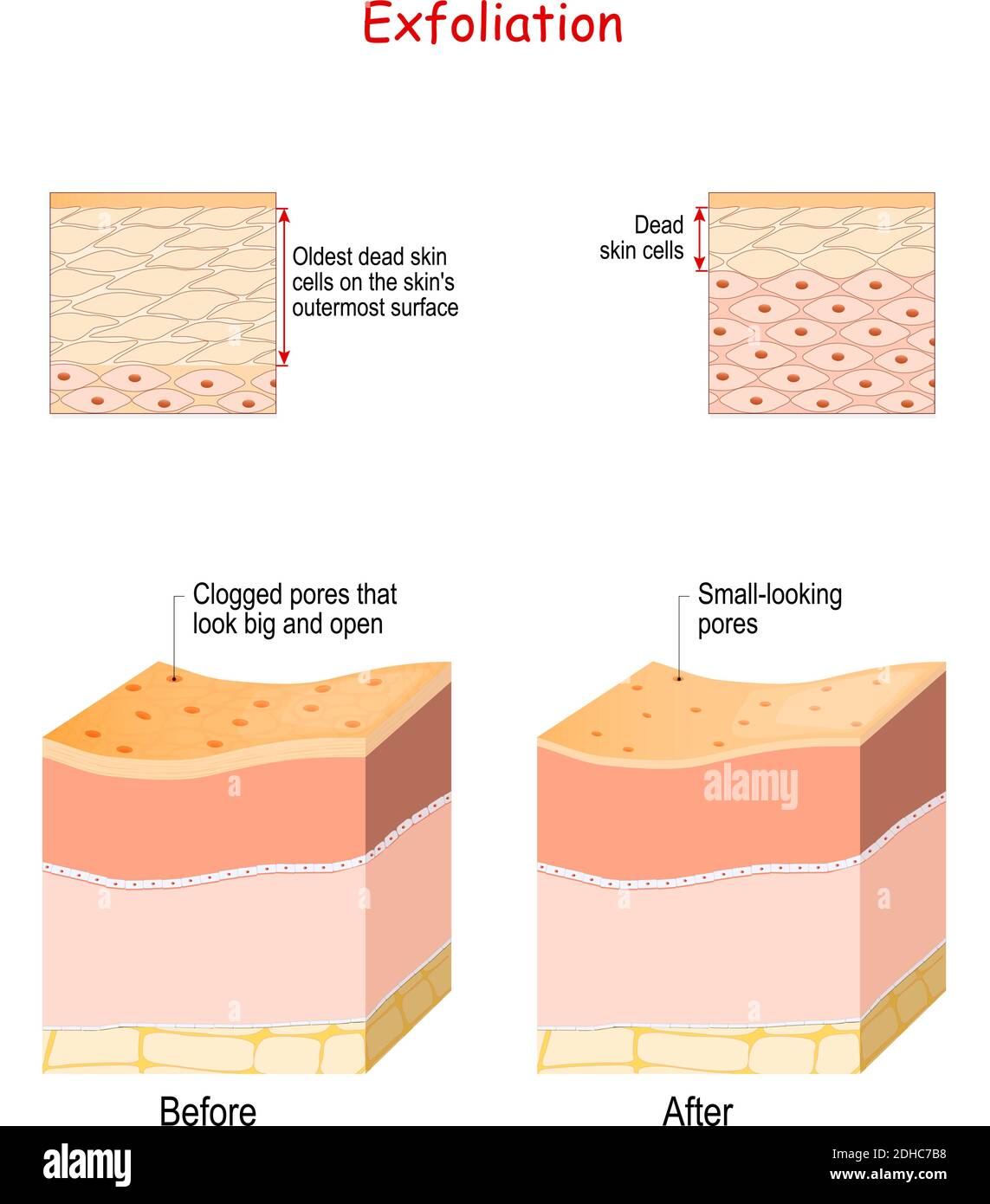
The dead layer of skin, also known as the stratum corneum, is the outermost layer of the skin. It is composed of dead skin cells that have shed from the skin's surface. These dead skin cells are constantly being replaced by new cells that are produced in the deeper layers of the skin. However, when too many dead skin cells build up on the surface, they can make the skin look dull and rough.
Why is Exfoliation Important?

Exfoliation is the process of removing the dead layer of skin from the surface of the skin. This can be achieved through physical exfoliation, such as using a scrub or brush, or chemical exfoliation, which involves the use of acids or enzymes to dissolve the dead skin cells. Exfoliation is important because it helps to remove the build-up of dead skin cells and reveal a brighter, more even complexion. It can also help to unclog pores and reduce the appearance of fine lines and wrinkles.
How Often Should You Exfoliate?

The frequency of exfoliation depends on your skin type and the type of exfoliation you are using. For most people, exfoliating once or twice a week is sufficient. However, if you have sensitive skin or are using a more intense form of exfoliation, such as a chemical peel, you may need to exfoliate less frequently. It is important not to over-exfoliate, as this can damage the skin and cause irritation.
Physical Exfoliation
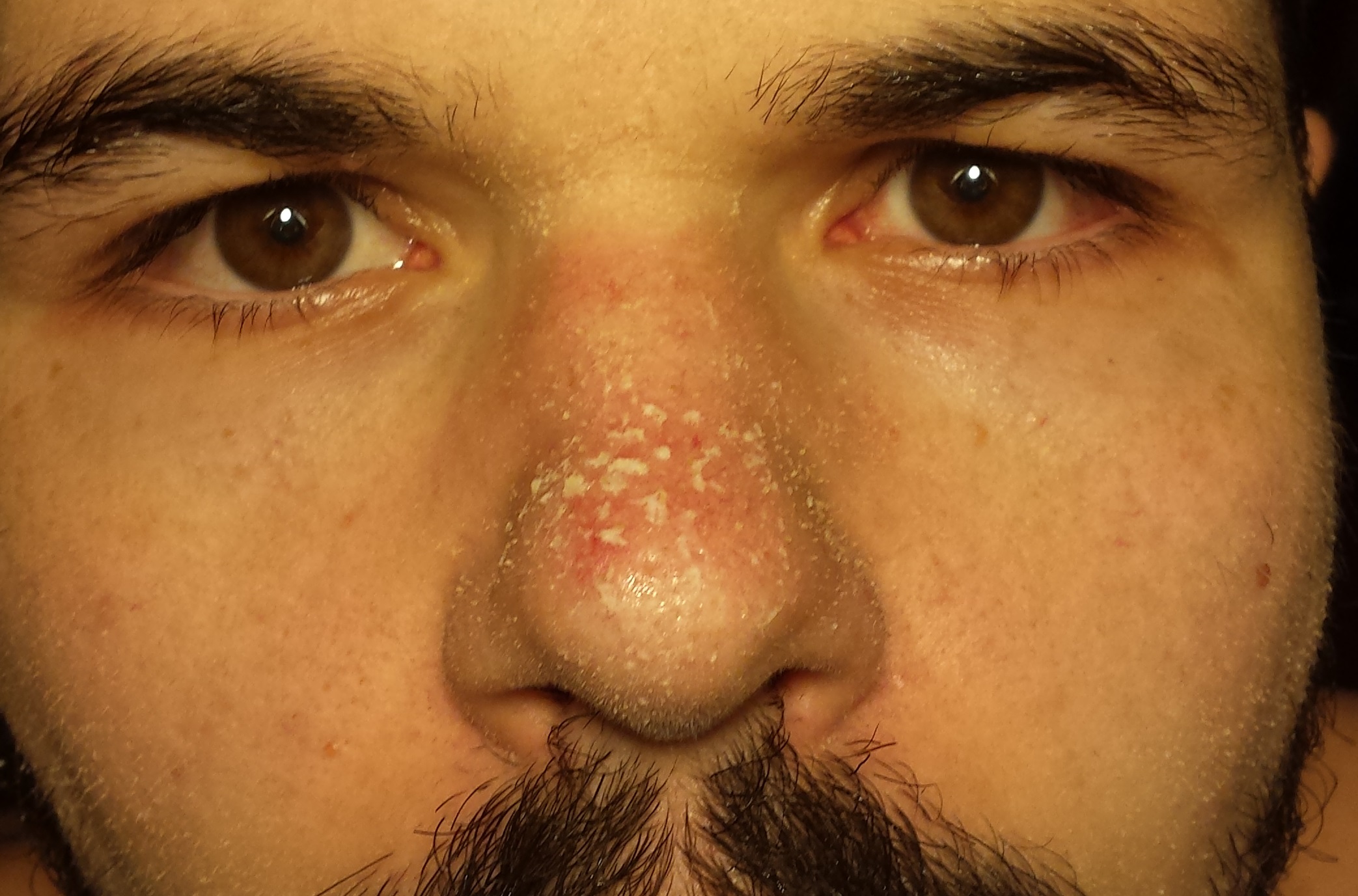
Physical exfoliation involves using a scrub or brush to physically remove the dead layer of skin from the surface of the skin. Scrubs typically contain small particles, such as sugar or salt, which help to slough off the dead skin cells. Brushes, such as a dry brush or a facial cleansing brush, use friction to remove the dead skin cells. Physical exfoliation can be effective, but it is important to choose a gentle scrub or brush and to use it with a light touch.
Chemical Exfoliation

Chemical exfoliation involves the use of acids or enzymes to dissolve the dead skin cells on the surface of the skin. There are two main types of chemical exfoliants: alpha-hydroxy acids (AHAs) and beta-hydroxy acids (BHAs). AHAs, such as glycolic acid and lactic acid, work by dissolving the glue that holds the dead skin cells together. BHAs, such as salicylic acid, penetrate into the pores and dissolve the dead skin cells that can clog them. Chemical exfoliation can be very effective, but it is important to choose the right type of acid for your skin type and to follow the instructions carefully.
Conclusion
Exfoliation is an important part of any skincare routine. By removing the dead layer of skin from the surface of the skin, you can reveal a brighter, more radiant complexion. Whether you prefer physical or chemical exfoliation, it is important to choose a gentle product and to use it with care. With regular exfoliation, you can keep your skin looking healthy and glowing.