
Introduction
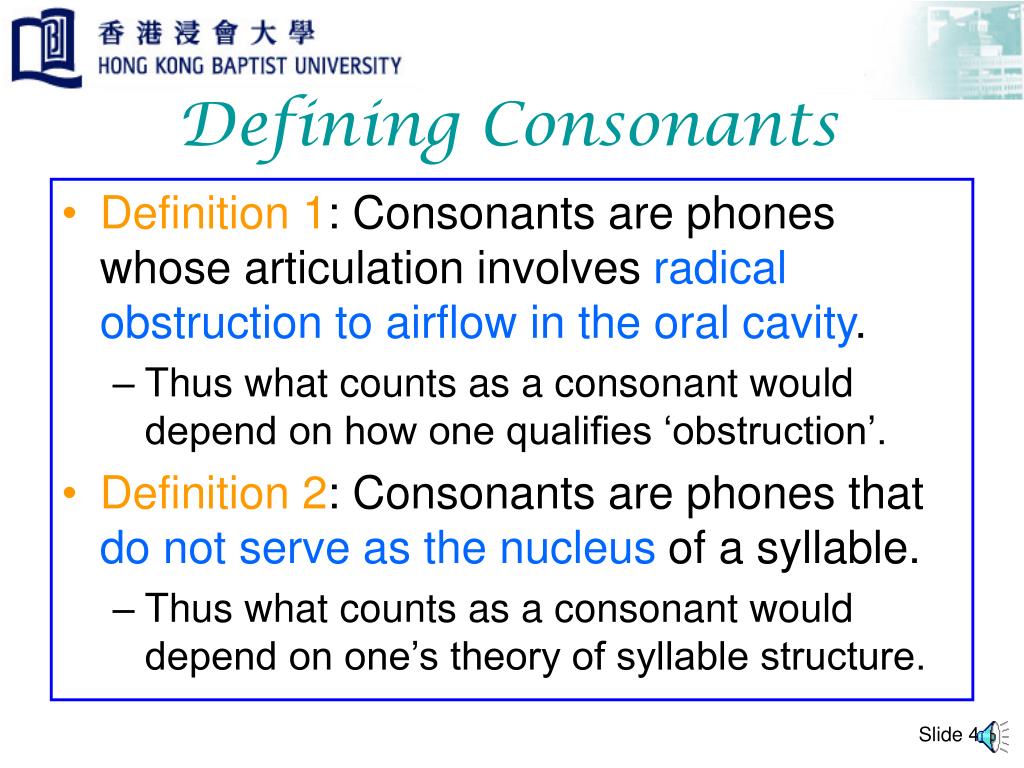
Consonants are the sounds that we make by obstructing the flow of air from the lungs using our lips, tongue, teeth and other parts of the mouth. They are the building blocks of words, and without them, we wouldn’t be able to communicate effectively in English.
The Types Of Consonants
There are two types of consonants in English: voiced and unvoiced. Voiced consonants are those that make your vocal cords vibrate when you say them, while unvoiced consonants are those that don’t. For example, ‘b’ is a voiced consonant, while ‘p’ is an unvoiced consonant.

The Sounds Of Consonants
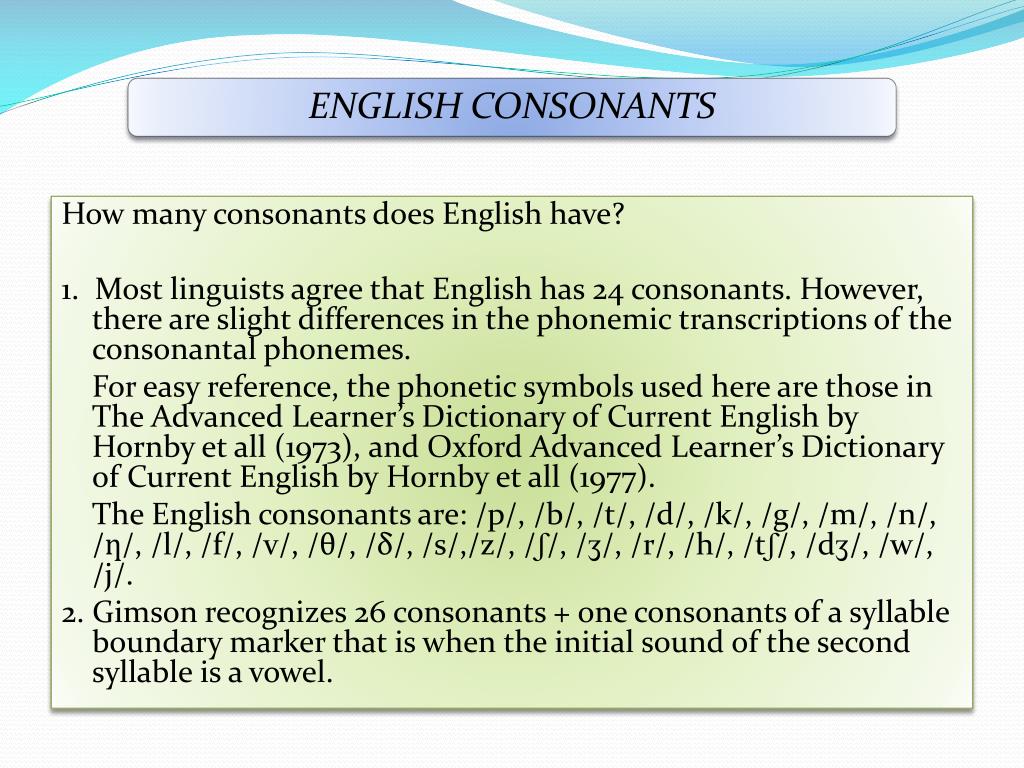
There are 24 consonant sounds in English, which can be represented by 21 letters. Some letters represent more than one sound, and some sounds are represented by more than one letter. For example, the letter ‘c’ can represent the ‘k’ sound or the ‘s’ sound, and the sound ‘sh’ can be represented by the letters ‘sh’ or ‘ch’.

The Articulation Of Consonants
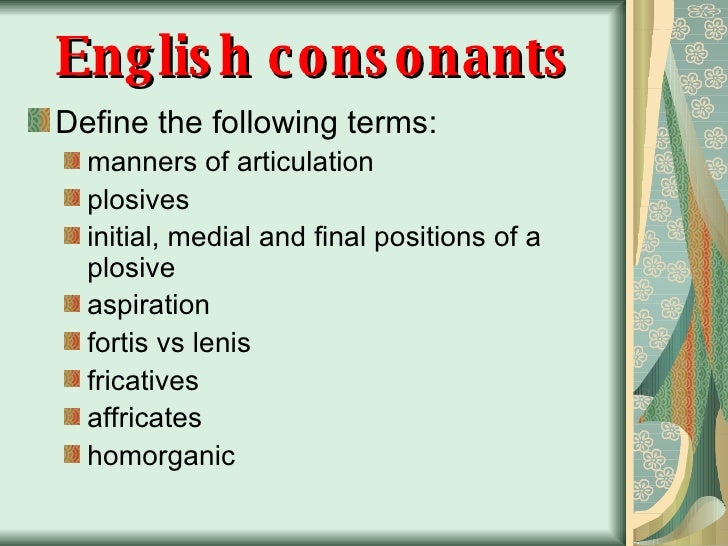
The articulation of consonants refers to the way in which they are produced in the mouth. Some consonants are produced by pressing the lips together, while others are produced by touching the tongue to the roof of the mouth. Some consonants are produced by vibrating the vocal cords, while others are produced by releasing a burst of air.
The Role Of Consonants In Words
Consonants play a crucial role in words, as they help to distinguish one word from another. For example, the words ‘pat’ and ‘bat’ differ only in the first consonant sound, while the words ‘cat’ and ‘cut’ differ in both the first and last consonant sounds.
The Importance Of Consonants In English Pronunciation
Consonants are also important in English pronunciation, as they can affect the meaning of words and sentences. For example, the word ‘read’ can be pronounced as ‘reed’ or ‘red’, depending on whether the ‘ea’ is pronounced as a long ‘e’ or a short ‘e’ sound.

The History Of Consonants In English
The consonant sounds in English have evolved over time, and many of the sounds we use today were not present in Old English. For example, the ‘th’ sound in words like ‘this’ and ‘that’ was not present in Old English, and was introduced later from other languages.

Common Consonant Blends
Consonant blends are groups of two or more consonant sounds that appear together in a word, without a vowel sound in between. Some common consonant blends in English include ‘bl’, ‘br’, ‘cl’, ‘cr’, ‘dr’, ‘fl’, ‘fr’, ‘gl’, ‘gr’, ‘pl’, ‘pr’, ‘sc’, ‘sk’, ‘sl’, ‘sm’, ‘sn’, ‘sp’, ‘st’, ‘sw’ and ‘tr’.

The Challenges Of Consonant Pronunciation For Non-Native Speakers
For non-native speakers of English, the pronunciation of consonants can be challenging, as they may not be used to producing these sounds in their own language. This can lead to difficulties in understanding and being understood by native speakers of English.
The Importance Of Practicing Consonant Pronunciation
Practicing consonant pronunciation is important for non-native speakers of English, as it can help them to communicate more effectively and be better understood by native speakers. There are many resources available for practicing consonant pronunciation, including online courses, language exchange programs, and pronunciation apps.

Conclusion
Consonants are an essential part of English language, and mastering their pronunciation is crucial for effective communication. By understanding the different types, sounds, and articulations of consonants, and practicing their pronunciation, non-native speakers of English can improve their language skills and communicate more effectively with native speakers.