
Have you ever experienced a sharp pain in your diaphragm while taking a deep breath? This can be a scary and uncomfortable sensation, and it’s important to understand what might be causing it. In this article, we’ll discuss the possible reasons for diaphragm pain and what you can do to relieve it.
What is the Diaphragm?

The diaphragm is a large, dome-shaped muscle that separates the chest cavity from the abdominal cavity. It plays a crucial role in respiration, contracting and relaxing to help you breathe in and out. It also helps with other bodily functions, such as coughing, vomiting, and sneezing.
Causes of Diaphragm Pain
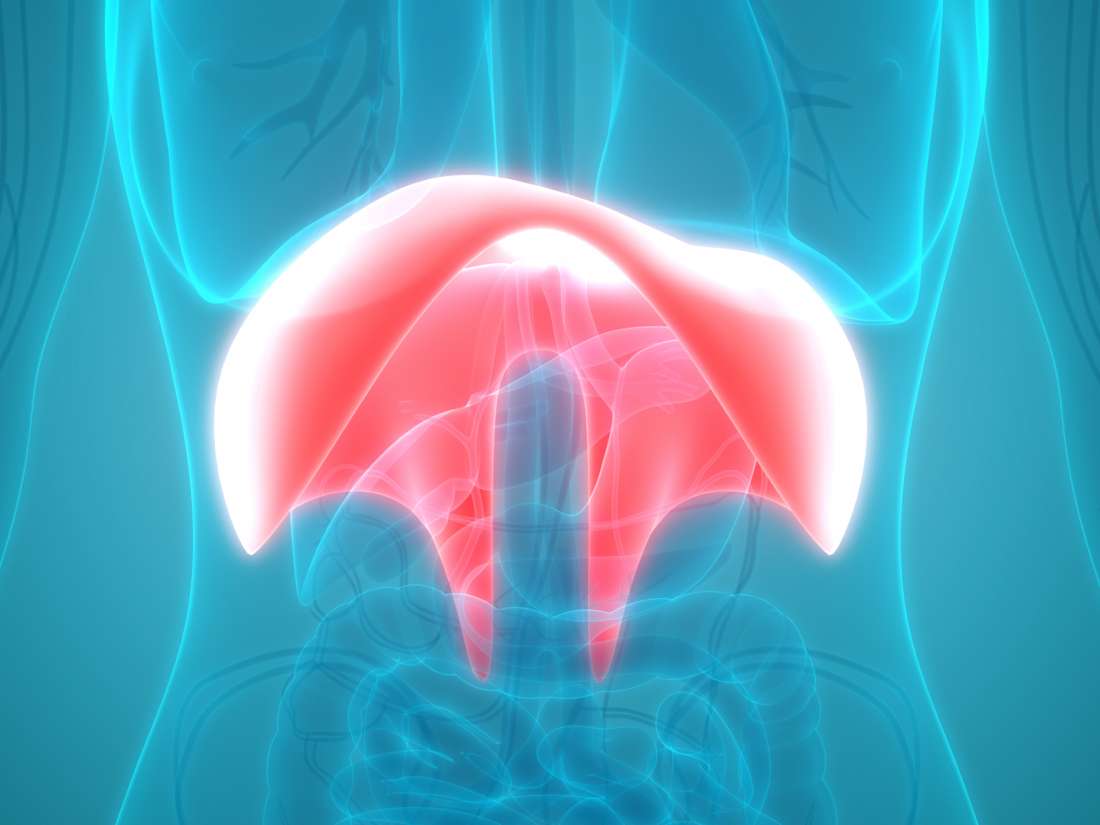
There are a variety of reasons why you might experience pain in your diaphragm when breathing deeply. Here are some of the most common causes:
1. Muscle Strain

Just like any other muscle in your body, you can strain your diaphragm through overuse or sudden movements. This can cause pain when taking deep breaths, as the muscle is already inflamed and sensitive.
2. Hiatal Hernia
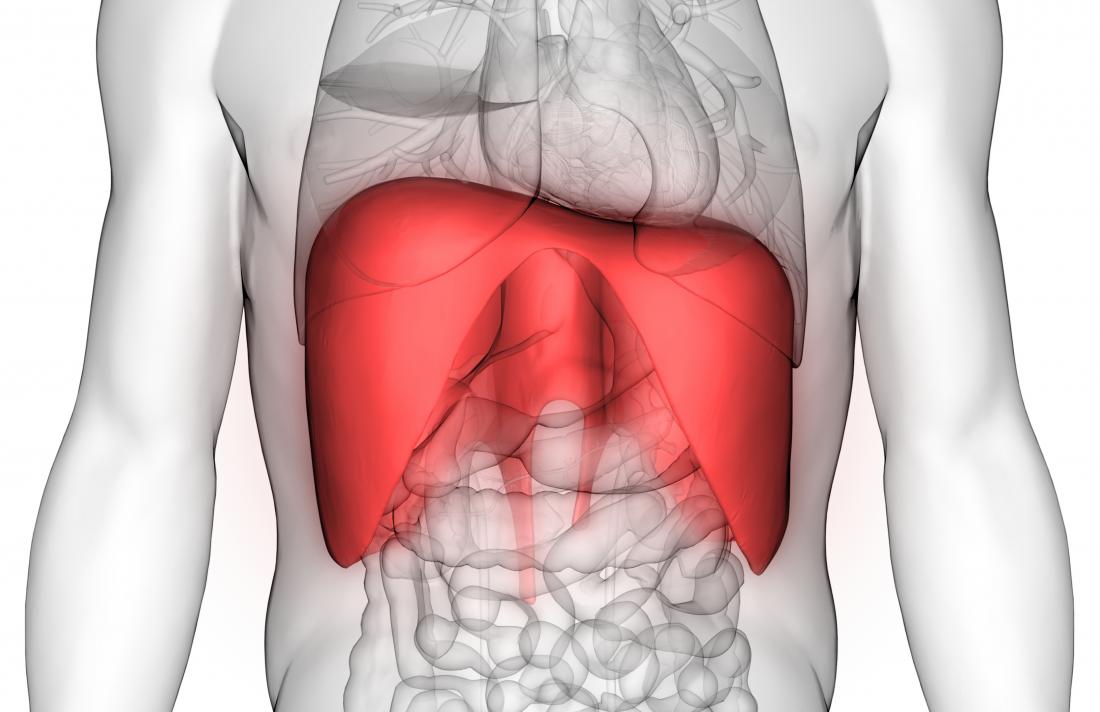
A hiatal hernia occurs when part of your stomach pushes through your diaphragm and into your chest cavity. This can cause pain and discomfort when breathing deeply, as the hernia is putting pressure on your diaphragm.
3. Acid Reflux

Acid reflux occurs when stomach acid flows back up into your esophagus. This can cause a burning sensation in your chest and throat, as well as pain in your diaphragm when taking deep breaths.
4. Costochondritis

Costochondritis is an inflammation of the cartilage that connects your ribs to your sternum. This can cause pain and tenderness in your chest, as well as pain in your diaphragm when taking deep breaths.
5. Pneumonia

Pneumonia is an infection of the lungs that can cause inflammation and pain in your diaphragm. You may also experience other symptoms, such as coughing, fever, and fatigue.
Relieving Diaphragm Pain

If you’re experiencing pain in your diaphragm when breathing deeply, there are a few things you can do to relieve the discomfort:
1. Rest and Ice
If you’ve strained your diaphragm, it’s important to take a break from any activities that might aggravate the muscle. Applying ice to the area can also help reduce inflammation and relieve pain.
2. Over-the-Counter Pain Relievers
If your diaphragm pain is caused by inflammation or soreness, over-the-counter pain relievers like ibuprofen or acetaminophen can help reduce the discomfort.
3. Treat Underlying Conditions
If your diaphragm pain is caused by an underlying condition like acid reflux or pneumonia, it’s important to treat that condition in order to relieve the pain. Your doctor may prescribe medications or other treatments to help you manage these conditions.
When to See a Doctor

If your diaphragm pain is severe or persistent, or if you’re experiencing other symptoms like chest pain, difficulty breathing, or fever, it’s important to see a doctor. They can help you determine the underlying cause of your pain and provide you with appropriate treatment.
Conclusion
Pain in your diaphragm when breathing deeply can be uncomfortable and scary, but it’s usually not a cause for alarm. By understanding the possible causes of diaphragm pain and taking steps to relieve the discomfort, you can get back to feeling like yourself in no time.