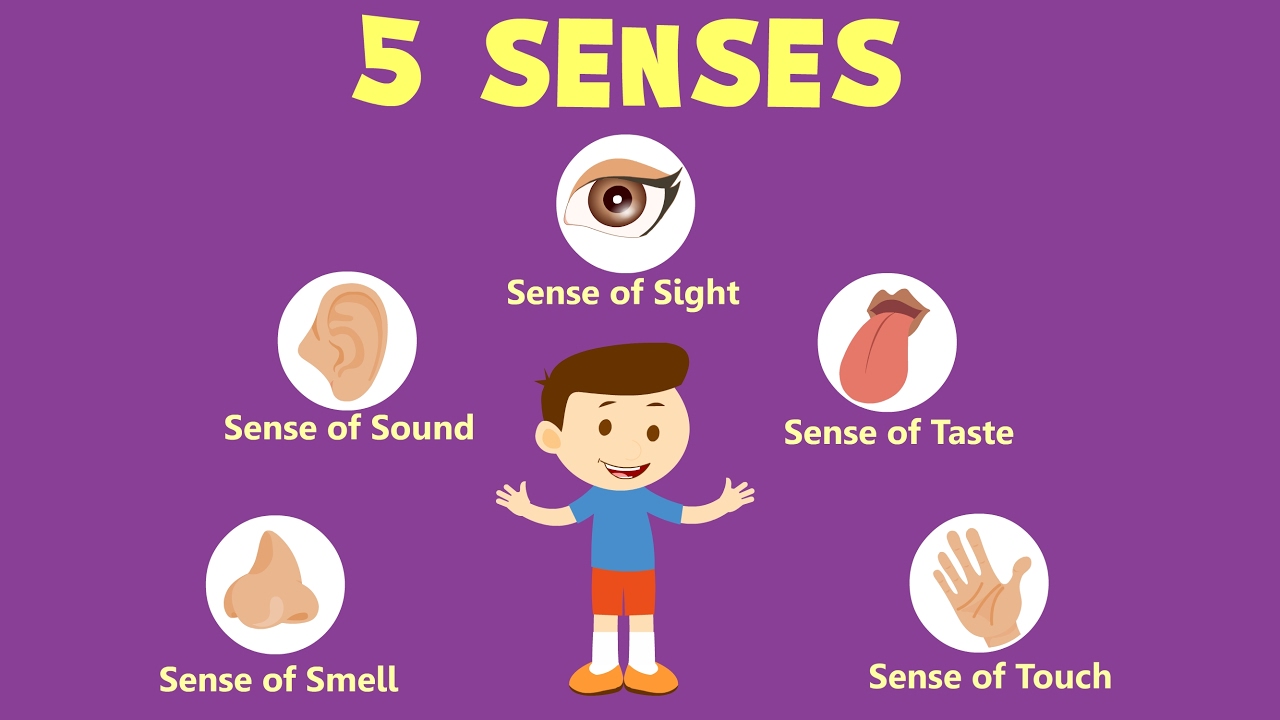
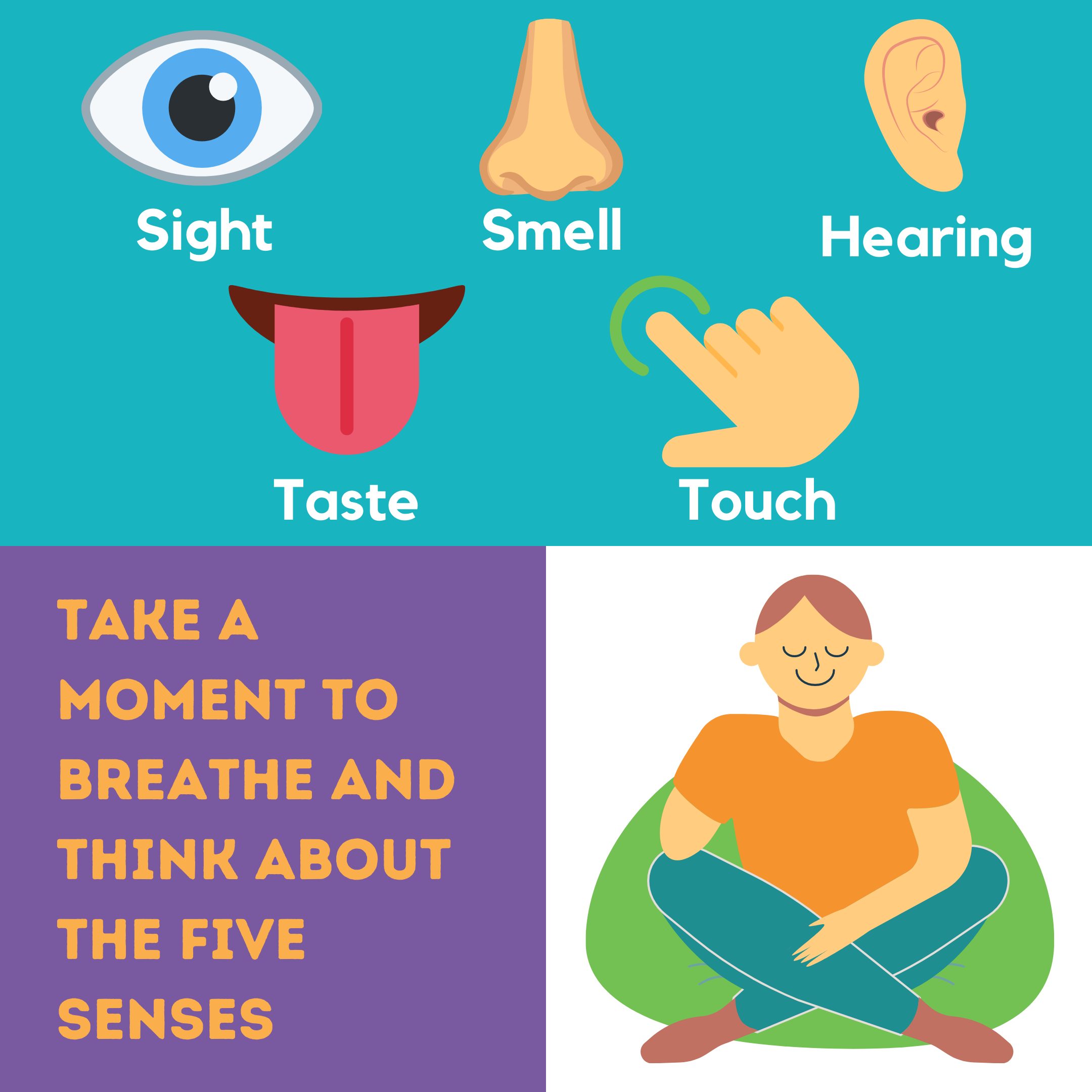
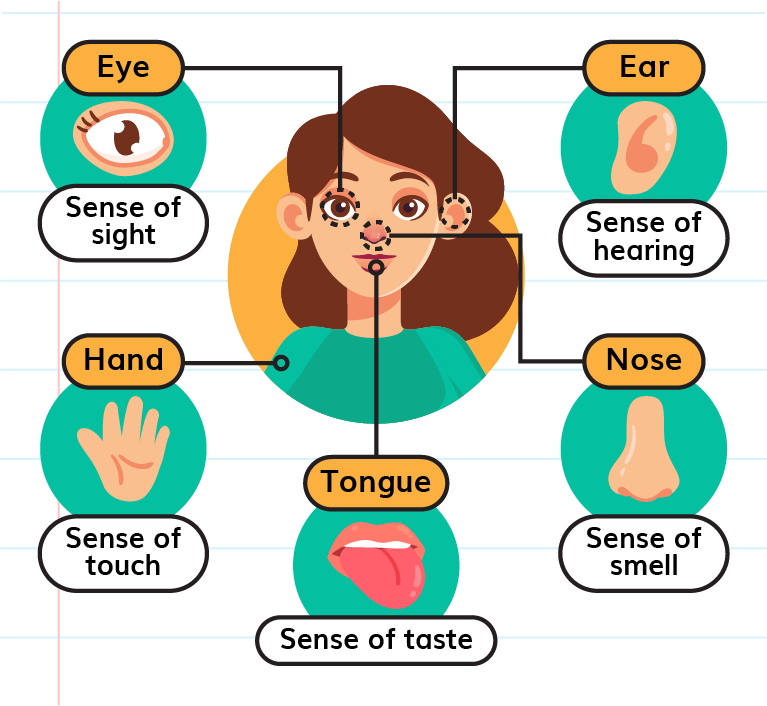
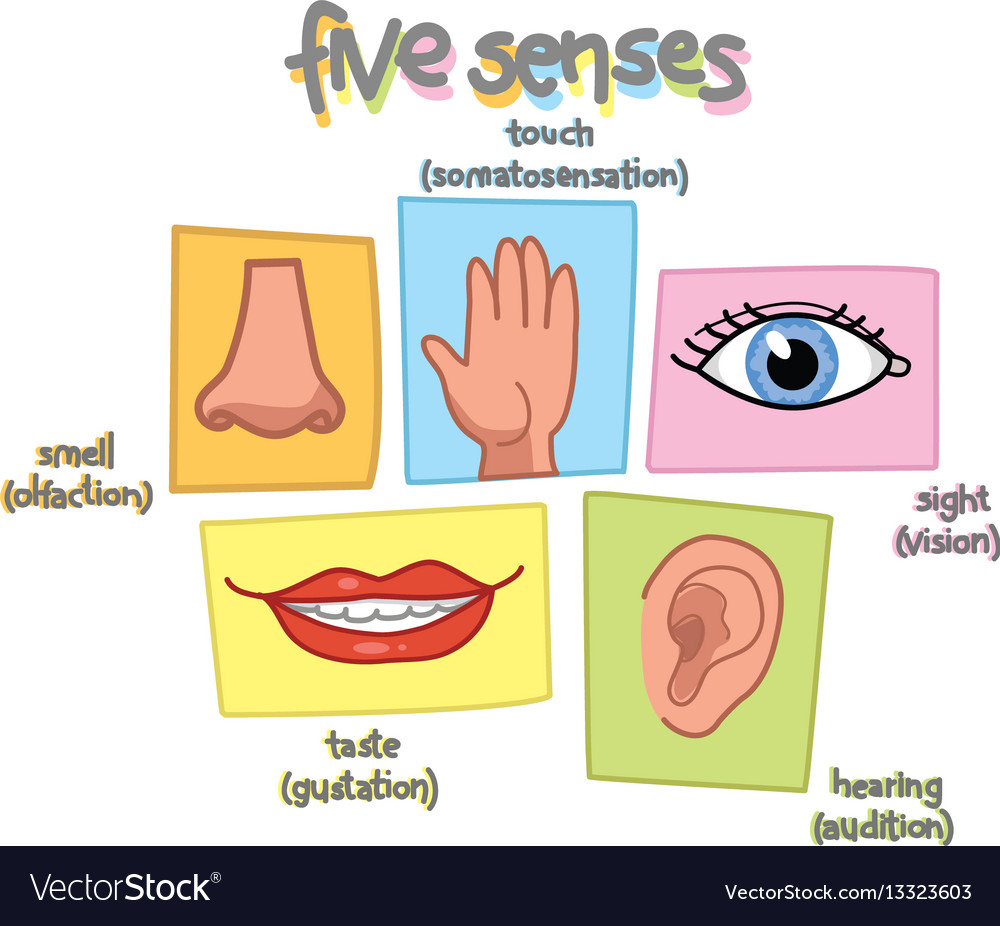
Our senses play a vital role in our day-to-day life. They help us to perceive and understand the world around us. Senses are the way we gather and interpret information from our environment. There are five primary senses, which include sight, hearing, touch, taste, and smell. But, in reality, there are many more senses that help us to understand the world better. Let's explore the different types of senses.
1. Sight
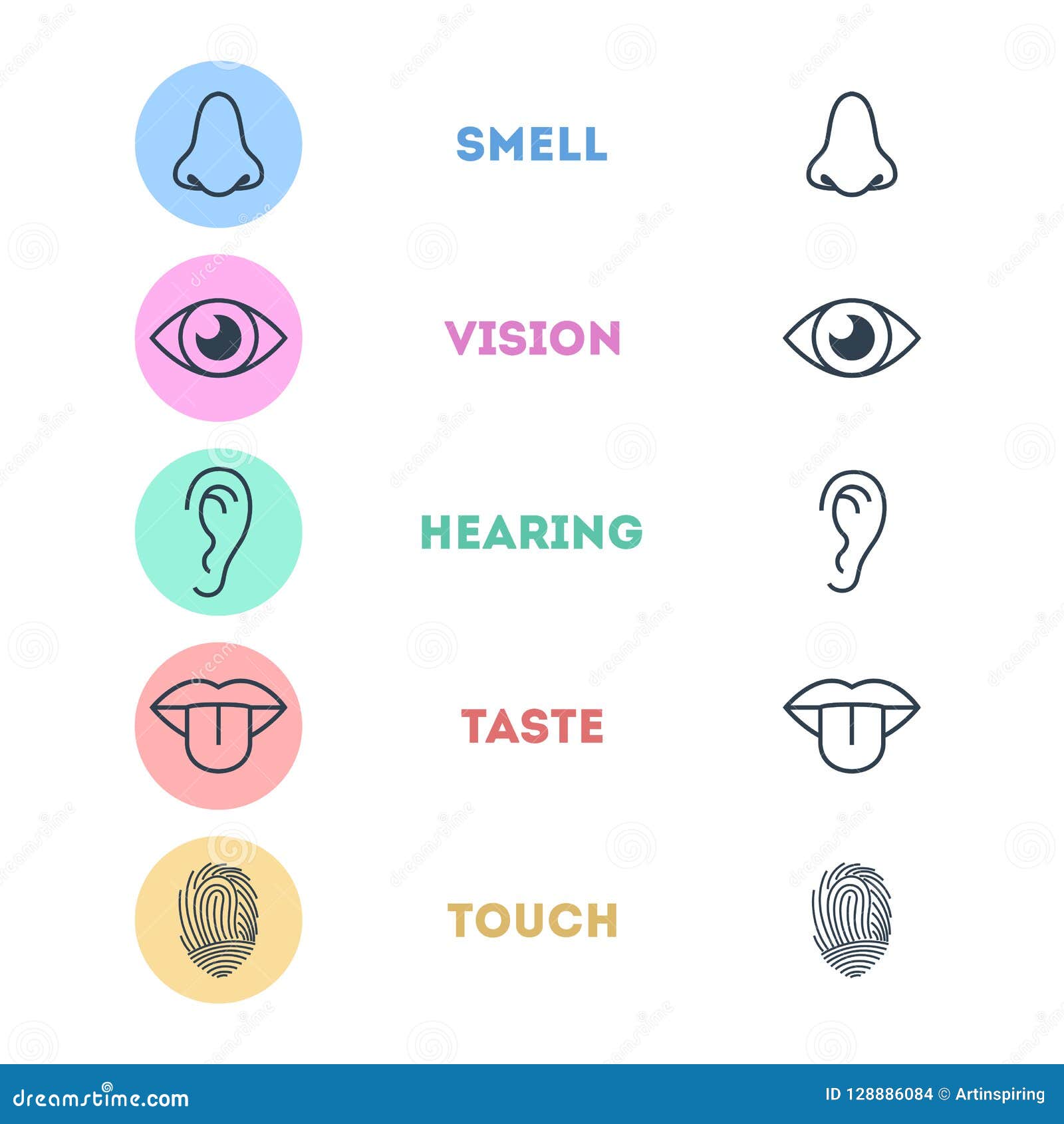
Sight or vision is the ability to see with our eyes. This sense helps us to distinguish between different colors, shapes, and sizes. Our eyes collect information from the environment, which is then transmitted to the brain through the optic nerve. The brain then interprets this information, allowing us to see the world around us.
2. Hearing
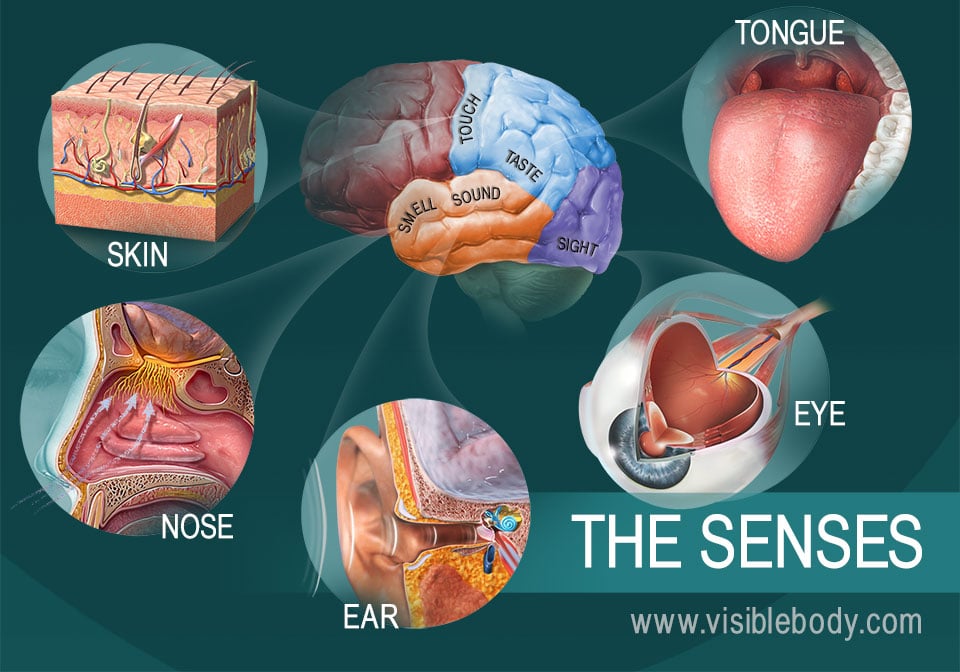
Hearing or auditory perception is the sense that allows us to perceive sound. Our ears collect sound waves and convert them into electrical signals that are sent to the brain. The brain then interprets these signals, allowing us to hear and understand speech, music, and other sounds.
3. Touch

Touch or tactile perception is the sense that allows us to feel different textures and temperatures. Our skin contains sensory receptors that respond to different stimuli, such as pressure, temperature, and pain. This sense helps us to navigate our environment and avoid potential dangers.
4. Taste

Taste or gustatory perception is the sense that allows us to detect different flavors. Our taste buds are located on our tongue, and they detect different chemicals in the food we eat. This sense helps us to identify different tastes, such as sweet, sour, salty, and bitter.
5. Smell
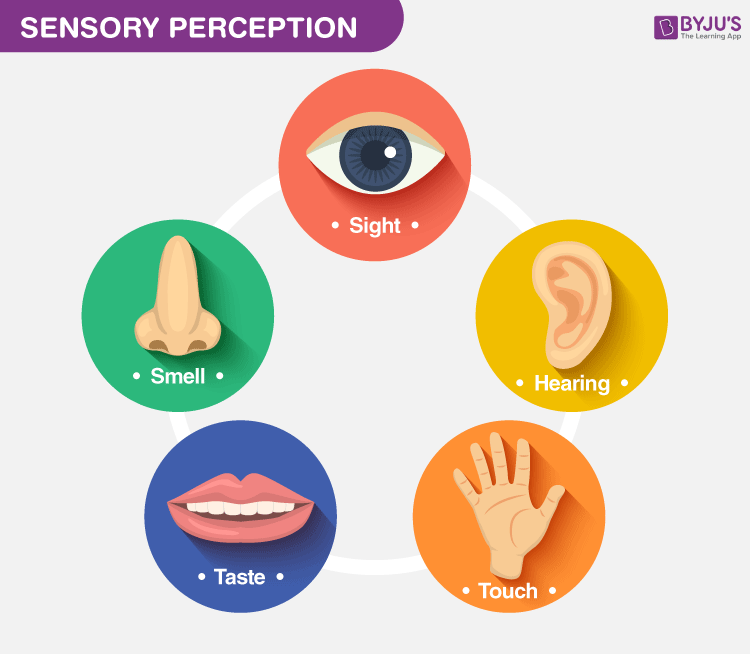
Smell or olfactory perception is the sense that allows us to detect different odors. Our nose contains sensory receptors that respond to different chemicals in the air. This sense helps us to identify different smells, such as the scent of flowers, food, and other objects.
6. Proprioception
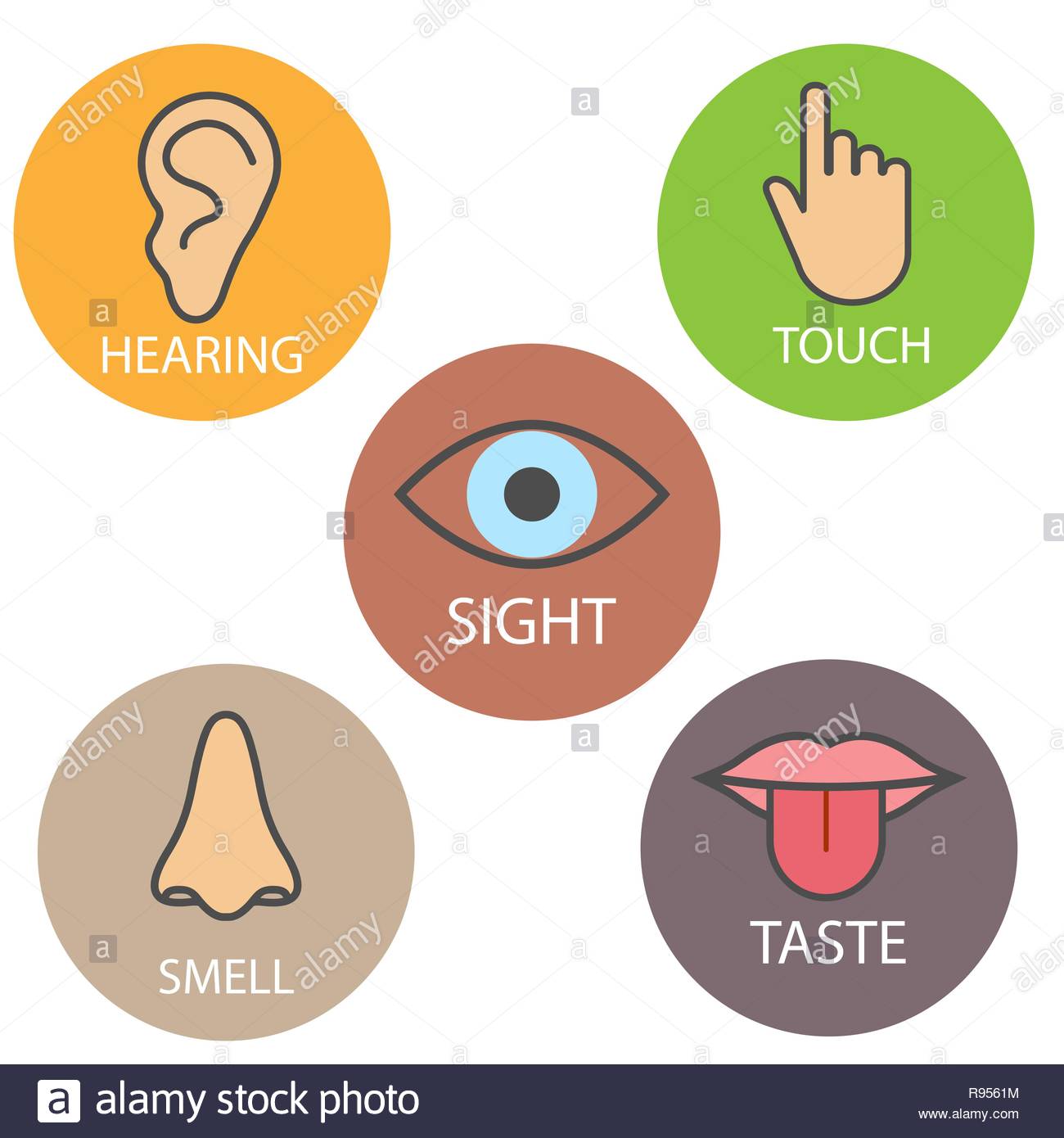
Proprioception is the sense that allows us to perceive the position and movement of our body. This sense is essential for motor coordination and balance. It helps us to navigate our environment and perform complex movements, such as dancing or playing sports.
7. Vestibular Sense
The vestibular sense is the sense that allows us to perceive our body's orientation and balance. It is located in the inner ear and detects changes in head position and movement. This sense helps us to maintain our balance and posture.
8. Kinesthetic Sense

Kinesthetic sense is the sense that allows us to perceive the movement and position of our muscles and joints. It helps us to coordinate our movements and perform complex tasks, such as playing musical instruments.
9. Interoception

Interoception is the sense that allows us to perceive internal bodily sensations, such as hunger, thirst, and pain. It helps us to maintain our bodily functions and respond to potential threats.
10. Nociception

Nociception is the sense that allows us to perceive pain. It helps us to identify potential injuries and protect ourselves from further harm.
11. Thermoception
Thermoception is the sense that allows us to perceive temperature changes. It helps us to regulate our body temperature and respond to hot and cold environments.
12. Chronoception

Chronoception is the sense that allows us to perceive time. It helps us to keep track of time and coordinate our daily activities.
13. Equilibrioception

Equilibrioception is the sense that allows us to perceive our body's equilibrium or balance. It helps us to maintain our balance and posture while standing, walking, or running.
14. Magnetoception
Magnetoception is the sense that allows us to perceive magnetic fields. It helps animals to navigate and orient themselves in their environment.
15. Hygroception
Hygroception is the sense that allows us to perceive humidity. It helps us to regulate our body's moisture levels and respond to changes in the environment.
Conclusion
Our senses are incredibly complex and play an essential role in our daily lives. They help us to navigate our environment, communicate with others, and experience the world around us. Understanding the different types of senses can help us to appreciate the complexity of our sensory system and how it contributes to our overall well-being.