When we think about bats, we often associate them with darkness, caves, and blindness. But is it true that bats have bad eyesight? In this article, we will explore the myth of bats and their eyesight.
Myth: Bats Are Blind

One of the most common myths about bats is that they are blind. While it is true that some species of bats rely on echolocation to navigate and find their prey, this does not mean that they are blind.
In fact, most species of bats have excellent eyesight. Their eyes are adapted to low light conditions, allowing them to see in the dark. They also have a wider field of vision than humans, which helps them to detect predators and other threats.
Echolocation and Eyesight

While bats do use echolocation to navigate and hunt, this does not mean that they rely solely on this sense. In fact, many species of bats use a combination of echolocation and vision to locate their prey.
Studies have shown that some species of bats can even adjust their echolocation calls based on the visual cues they receive. This means that their eyesight plays an important role in their hunting strategy.
Bat Vision vs. Human Vision

While bats do have excellent eyesight, their visual system is different from that of humans. For example, bats have a higher density of rod cells in their eyes, which helps them to see in low light conditions.
However, they have fewer cone cells than humans, which means that they may not be able to see colors as vividly as we do. They also have a different visual processing system, which allows them to interpret echolocation calls as visual images.
Bat Eyesight and Migration

Bats are known for their long-distance migrations, which can take them hundreds or even thousands of miles. It is believed that their excellent eyesight plays a role in this migration.
Studies have shown that bats are able to use visual landmarks, such as mountains and rivers, to navigate during their migration. They are also able to detect the Earth's magnetic field, which helps them to orient themselves during their journey.
The Bottom Line
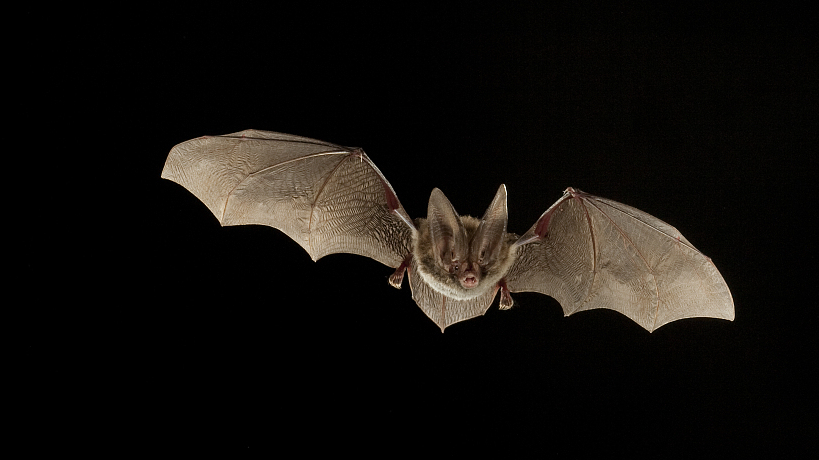
Contrary to popular belief, bats do not have bad eyesight. In fact, their eyes are adapted to low light conditions and they have excellent vision overall. While echolocation plays an important role in their hunting and navigation, their eyesight is also a critical component of their survival.
So the next time you encounter a bat, remember that they are not blind creatures. They are actually quite skilled and adaptable, with a visual system that is perfectly suited to their nocturnal lifestyle.