
Chickens are domesticated birds that have been kept by humans for thousands of years. They are known for their ability to lay eggs and provide meat, but do they make noise? In this article, we will explore the different sounds that chickens make and what they mean.
Types of Chicken Sounds
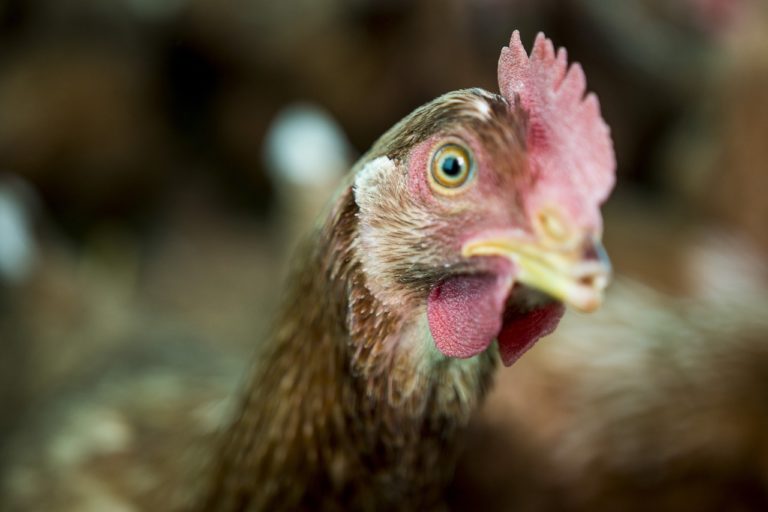
Chickens make a variety of sounds that can be classified into three categories: vocalizations, body language, and environmental cues. Vocalizations are the sounds that chickens make with their voice. Body language refers to the way chickens move their bodies to communicate. Environmental cues are sounds that chickens respond to, such as the sound of a predator or the sound of food being served.
Vocalizations

Chickens have a variety of vocalizations that they use to communicate with each other. The most common sound that chickens make is the cluck. This is a short, low-pitched sound that chickens use to communicate with each other. The cluck can mean different things depending on the situation. For example, a hen might cluck softly to her chicks to let them know that everything is ok. A rooster might cluck loudly to let other roosters know that he is the dominant male.
Chickens also make other vocalizations such as the cackle, the squawk, and the purr. The cackle is a high-pitched sound that chickens make after laying an egg. The squawk is a loud, sharp sound that chickens make when they are frightened or in danger. The purr is a soft, soothing sound that chickens make when they are content.
Body Language
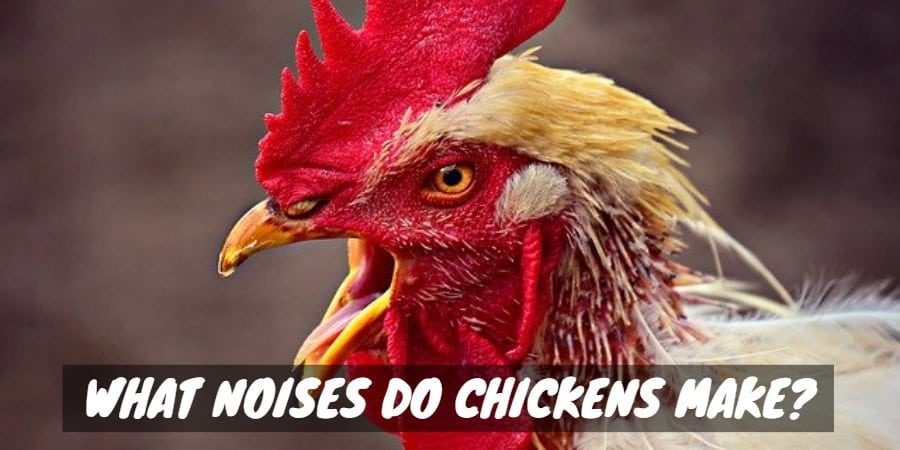
Chickens also use body language to communicate with each other. For example, a hen might puff up her feathers to show that she is dominant. A rooster might spread his wings to show that he is ready to fight. Chickens also use body language to express their emotions. For example, a chicken that is scared might crouch down and tuck its head under its wings.
Environmental Cues

Chickens are also sensitive to environmental cues. For example, they will respond to the sound of a predator by making a loud, sharp sound to warn the other chickens. They will also respond to the sound of food being served by clucking and moving towards the food. Chickens are also sensitive to changes in light and temperature, which can affect their behavior and vocalizations.
Conclusion
Chickens make a variety of sounds that they use to communicate with each other. These sounds can be classified into vocalizations, body language, and environmental cues. By understanding these sounds, we can better understand what our chickens are trying to tell us.